Summary
Five major U.S. carriers implemented checked bag fee increases of $10–$50 per bag effective April 3–10, 2026, with American Airlines, Delta Air Lines, United Airlines, Alaska Airlines, and Southwest Airlines all raising first-bag fees to $45–$50 and third-bag fees to $200. The increases apply to all tickets booked on or after each carrier’s effective date, driven by jet fuel costs that surged following Iran conflict disruptions to Strait of Hormuz oil supplies.
Existing reservations booked before April 3–10 retain old pricing. Elite members and co-branded credit card holders keep free checked bag benefits, but non-elite travelers face $200–$400 in additional annual costs for frequent domestic travel.
The checked bag fee landscape shifted dramatically across U.S. carriers in a 72-hour window this week. American Airlines moved first on April 9, raising its first checked bag to $50 and second to $60 for domestic flights—a $10 increase on each. Alaska Airlines followed April 10, pushing first bags to $45 and eliminating its prepay discount entirely.
The increases stem from jet fuel prices that jumped 85% since late February 2026, when Iran conflict disruptions began affecting Strait of Hormuz oil shipments. Airlines report the crisis added roughly $400 million to combined operating costs.
Delta, United, and Southwest implemented parallel increases between April 3–10, creating uniform pricing pressure across the domestic market. Third-bag fees rose $50 at three carriers, reaching $200 at American, Delta, and United—the highest domestic bag fee tier in U.S. aviation history.
The timing matters for summer bookings. Travelers purchasing tickets now face both the new bag fees and base fare increases averaging 20% year-over-year, with median domestic roundtrips rising from $412 last summer to $489 currently. For frequent flyers without elite status, the compounded cost impact reaches $970–$1,170 annually based on 10 roundtrips with two checked bags per trip.
The carrier-by-carrier breakdown
American Airlines leads the premium tier at $50 for first bags and $60 for second bags on tickets booked April 9 onward. Starting May 18, 2026, Basic Economy passengers pay an additional $5 surcharge—$55 first bag, $65 second. The carrier retained its $5 prepay discount for bags booked via website or mobile app, but industry observers expect that benefit to disappear within 60 days based on Alaska’s April 10 elimination of its equivalent discount.
Delta Air Lines now charges $45 first bag, $55 second, and $200 third—matching Alaska’s new structure exactly. United Airlines implemented $50/$60/$200 pricing as of April 3, maintaining its 24-hour prepay discount of $5 per bag for first and second bags.
Southwest Airlines, which only introduced checked bag fees in 2025, raised its first bag from $35 to $45 and second from $45 to $55 effective April 9. The carrier’s third-bag fee remains at $125, significantly below competitors.
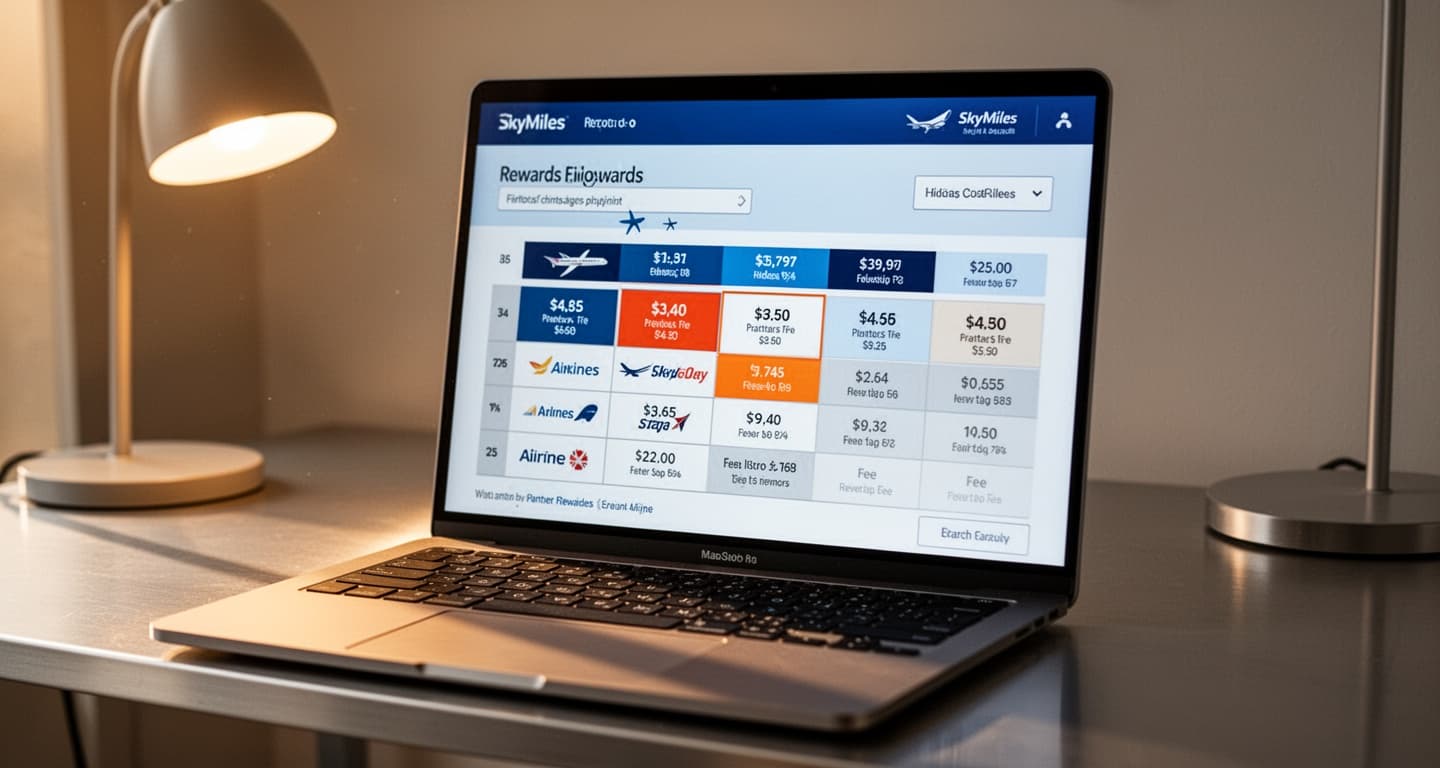
| Airline | First bag | Second bag | Third bag | Prepay discount |
|---|---|---|---|---|
| American Airlines | $50 (up $10) | $60 (up $10) | $200 (up $50) | $5 (website/app) |
| United Airlines | $50 (up $10) | $60 (up $10) | $200 (up $50) | $5 (24+ hours advance) |
| Delta Air Lines | $45 (up $10) | $55 (up $10) | $200 (up $50) | None |
| Alaska Airlines | $45 (up $5) | $55 (up $10) | $200 (up $50) | Eliminated |
| Southwest Airlines | $45 (up $10) | $55 (up $10) | $125 (no change) | None |
| JetBlue Airways | $49–$59 (peak/off-peak) | $69–$79 (peak/off-peak) | $125–$135 (peak/off-peak) | $10 (24+ hours advance) |

Flight deals most people never see
Our AI monitors 150+ airlines for pricing anomalies that traditional search engines miss. Air Traveler Club members save $650 per trip per person on average: see how it works.
Each deal saves 40–80% vs. regular fares:

What elite status and credit cards still protect
The fee increases carved a wider gap between elite members and general economy passengers. American AAdvantage Gold/Platinum/Executive Platinum, Delta SkyMiles Gold/Platinum/Diamond, United Silver/Gold/Platinum/1K, Southwest A-List/A-List Preferred, and Alaska Gold/Platinum members retain free first and second checked bags with no announced changes to those benefits.
Co-branded credit card holders—American AAdvantage, Delta SkyMiles Reserve, United Club, Southwest Rapid Rewards, Alaska Airlines Visa—keep free first checked bag benefits regardless of elite status. The Air Traveler Club’s analysis of American and Alaska’s April fee increases notes that co-branded card annual fees ($95–$550) now deliver stronger value propositions given the $200–$400 annual bag fee exposure for non-elite frequent travelers.
Award tickets remain subject to new bag fees unless elite status applies. American, Delta, and United confirmed that MileSAAver, SkyMiles, and Saver Award bookings follow the same fee structure as revenue tickets—a departure from pre-2020 policies that bundled free bags with premium cabin awards.
Protecting existing bookings and summer travel
Reservations booked before each carrier’s effective date retain old bag fee pricing—no action required unless voluntarily rebooking.
To verify booking date protection: Log into airline accounts (American: aa.com, Delta: delta.com, United: united.com, Southwest: southwest.com, Alaska: alaskaair.com) and check confirmation email timestamps. Tickets purchased April 2 or earlier lock in $40 first-bag fees at most carriers. Contact elite desks within 24 hours if booking dates appear incorrect—American 1-800-882-8880, Delta 1-800-241-6760, United 1-800-828-4322.
- Award ticket holders: Redeposit fees apply if rebooking to avoid new bag fees. American charges $150 redeposit for non-elite members; Delta and United waive fees for elite members only. Contact elite desks for waiver eligibility before making changes.
- Basic Economy passengers: American’s May 18 surcharge ($5 additional per bag) applies to all Basic Economy tickets regardless of booking date. Consider upgrading to Main Cabin if bag fees exceed fare difference—typically $30–$50 on domestic routes.
- Summer bookings: Purchase tickets before additional fee increases. Historical precedent from 2008 fuel crisis shows carriers implemented 2–3 rounds of bag fee increases within six months. Lock in current pricing for June–August travel by booking before April 30, 2026.
- Status matches: United and American offer elite status matches through May 2026. Submit match requests with proof of competing carrier status (Gold or higher) to waive bag fees on summer bookings. Processing takes 7–10 business days.
Watch for fuel price stabilization announcements from OPEC or geopolitical de-escalation in the Iran conflict through June 2026. If Strait of Hormuz disruption resolves and crude oil falls below $80/barrel, airlines will face pressure to reduce fuel surcharges—but checked bag fees are unlikely to revert based on 2008–2009 precedent when temporary fuel surcharges became permanent ancillary revenue streams.
FAQ
Do elite members pay the new bag fees?
No. American Gold/Platinum/Executive Platinum, Delta Gold/Platinum/Diamond, United Silver/Gold/Platinum/1K, Southwest A-List/A-List Preferred, and Alaska Gold/Platinum members retain free checked bag benefits with no announced changes. Co-branded credit card holders also keep free first bag regardless of elite status.
What happens to tickets I already bought?
Reservations booked before each carrier’s effective date (April 3–10, 2026) retain old bag fee pricing. No action required unless you voluntarily rebook or change flights. Verify your booking date by checking confirmation email timestamps in your airline account.
Will bag fees go back down when fuel prices drop?
Unlikely. During the 2008 fuel crisis, airlines introduced checked bag fees as “temporary” fuel surcharges but never eliminated them after oil prices normalized. Current fee increases will likely remain permanent even if Strait of Hormuz disruptions resolve and jet fuel costs fall below $80/barrel by summer 2026.
Should I buy a co-branded credit card to avoid bag fees?
If you take two or more roundtrips annually with checked bags, entry-level co-branded cards ($95–$99 annual fee) break even immediately. American AAdvantage, Southwest Rapid Rewards, and Alaska Airlines Visa cards provide free first checked bag and pay for themselves after two trips. Premium cards ($525–$550) require lounge access utilization to justify cost beyond bag benefits alone.
Read more