Summary
An orange cat escaped its carrier mid-flight on a Lufthansa service and attempted to access the first-class cabin at cruising altitude, forcing crew to conduct a cabin-wide search before locating the animal. The incident underscores enforcement gaps in premium cabin pet policies, where Lufthansa prohibits animals in first class but permits them in business and economy with carriers measuring 55x40x23 cm maximum.
The cat’s owner faced no reported penalties despite the breach. Premium travelers booking pet-friendly flights should verify carrier security protocols before departure.
A cat’s bid for luxury travel at 40,000 feet exposed a critical vulnerability in airline pet containment protocols. The animal breached its soft-sided carrier during cruise and navigated toward Lufthansa’s first-class section before crew intervention halted the unauthorized cabin upgrade.
The incident highlights a structural tension in premium aviation: airlines monetize pet travel through EUR 70-160 cabin fees while relying on passive enforcement that fails when animals escape mid-flight.
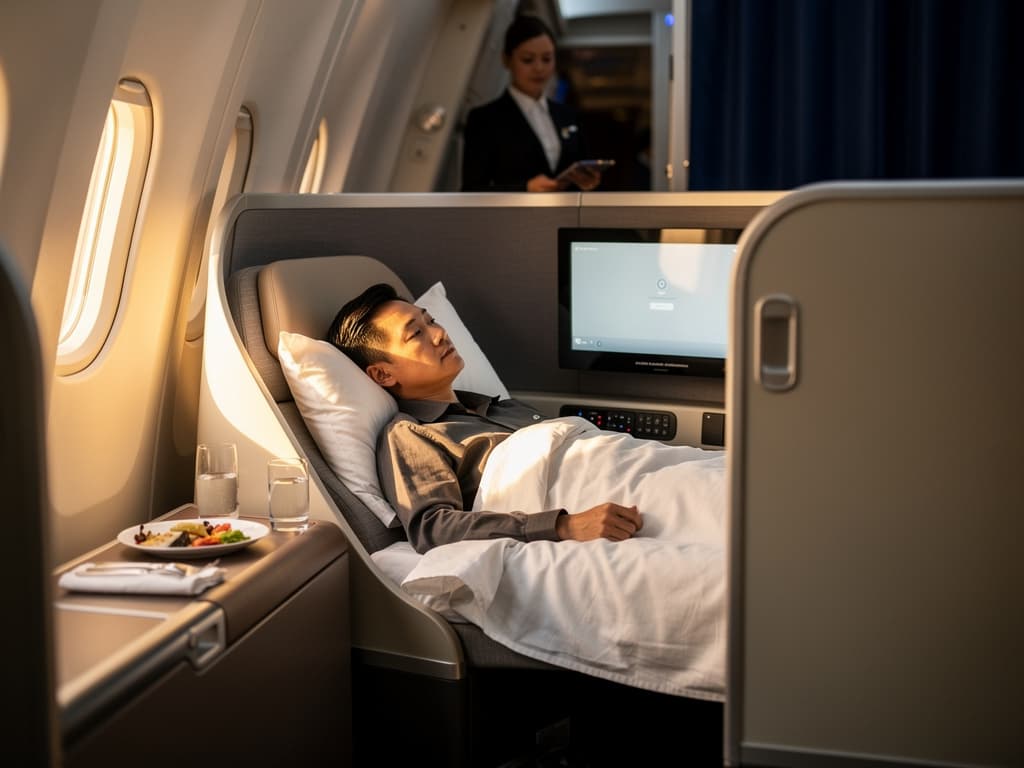
Lufthansa restricts pets to economy and business class cabins, barring them entirely from first-class sections like Allegris suites on Boeing 747-8 aircraft. The policy protects high-revenue passengers paying $5,000-15,000 for transatlantic first-class seats from animal-related disruptions. Yet the carrier’s pre-boarding checks—visual inspections of zipper integrity and latch function—prove inadequate once airborne, when crew cannot physically restrain loose animals without risking passenger safety.
The cat’s escape occurred despite Lufthansa’s requirement that pets remain secured in carriers throughout flight operations. Carriers must fit under seats with maximum dimensions of 55x40x23 cm and combined pet-carrier weight not exceeding 8 kg. The airline collects fees ranging from EUR 70 for intra-Europe routes to EUR 140-160 for intercontinental travel, generating revenue while assuming minimal enforcement liability once doors close.
The details
Premium cabin pet policies vary dramatically across carriers, creating confusion for travelers navigating international routes. Lufthansa’s first-class ban positions it as stricter than United Airlines, which permits pets in Polaris business class but not domestic first, and more restrictive than British Airways, which allows animals in Club World business but excludes First.
Delta Air Lines eliminates cabin pets entirely on most routes, requiring cargo transport and marketing allergen-free cabins as a premium differentiator. Emirates permits falcons in economy on Middle Eastern routes but bans all small pets from premium cabins. The fragmented landscape forces travelers to research carrier-specific rules rather than relying on alliance standards.
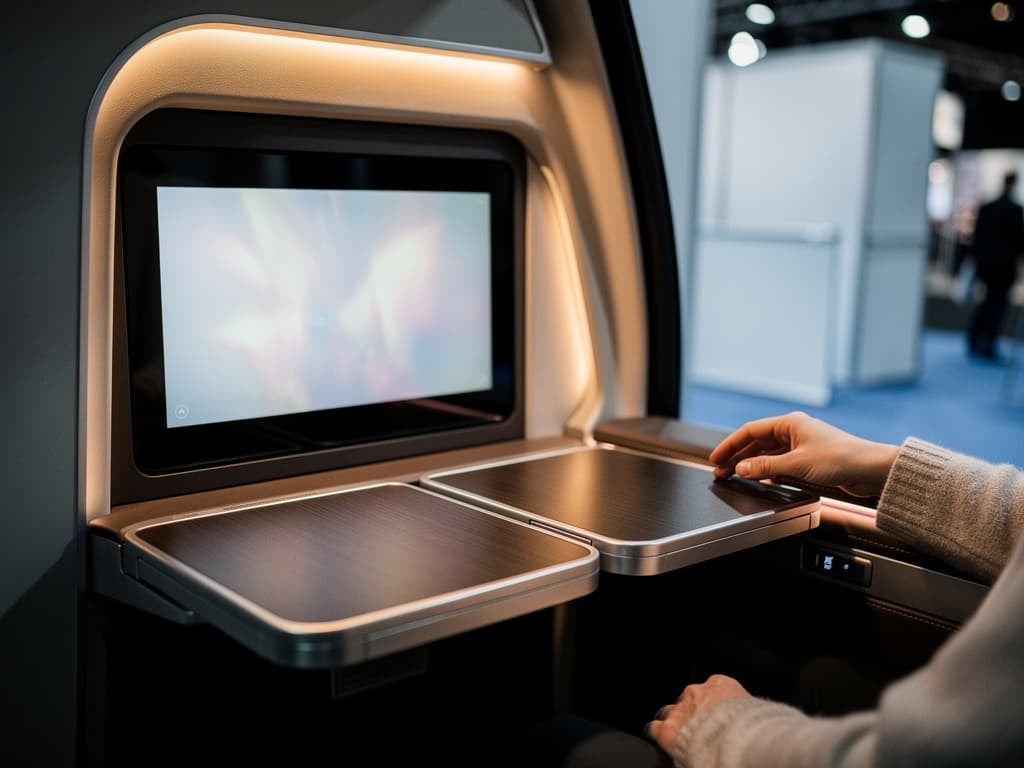
Booking requires advance coordination through airline websites at ticket purchase. Lufthansa passengers select “pet in cabin” during reservation and confirm carrier compliance before payment. The system limits availability based on aircraft configuration—economy seats with 30-inch pitch accommodate under-seat carriers more reliably than business class with 78-inch lie-flat beds that reduce floor space.
Elite status provides no pet booking priority. Senator and HON Circle members face identical inventory constraints as general passengers, with approvals granted first-come basis 2-4 weeks before departure. Star Alliance partners like Swiss International Air Lines honor similar policies, enabling cross-carrier bookings through alliance reservation systems.
| Airline | Business class | First class | One-way fee |
|---|---|---|---|
| Lufthansa | Permitted (carrier required) | Prohibited | EUR 70-160 |
| United Airlines | Permitted in Polaris | Prohibited domestic first | USD 125 |
| British Airways | Permitted in Club World | Prohibited | GBP 200 |
| Delta Air Lines | Prohibited (cargo only) | Prohibited | N/A |
| Emirates | Prohibited | Prohibited | N/A |

Flight deals most people never see
Our AI monitors 150+ airlines for pricing anomalies that traditional search engines miss. Air Traveler Club members save $650 per trip per person on average: see how it works.
Each deal saves 40–80% vs. regular fares:

The value-add
The incident reveals a broader enforcement paradox: airlines profit from pet fees while maintaining policies they cannot physically enforce mid-flight. Lufthansa’s EUR 70-160 charges generate revenue without corresponding liability when animals breach containment at cruising altitude, where crew lack training or equipment to safely capture loose pets in pressurized cabins.
Historical precedent suggests policy tightening follows viral incidents. In 2018, United Airlines denied boarding to a passenger’s emotional support peacock at Newark, triggering industry-wide clarifications that separated legitimate service animals from comfort pets. The peacock incident led to stricter documentation requirements but preserved standard pet policies for small dogs and cats in approved carriers.
Premium travelers face asymmetric risk: a single loose animal disrupts entire cabins, yet airlines impose no penalties on owners whose pets escape. The Air Traveler Club’s analysis of alternative premium routing strategies highlights how carrier selection impacts service consistency—choosing pet-free airlines eliminates this disruption vector entirely.
Strategic guidance
This incident demonstrates why premium cabin pet policies require scrutiny before booking—carrier security failures create disruptions airlines won’t compensate.
- Verify carrier security: Inspect zipper quality and latch mechanisms before departure; Lufthansa conducts visual checks only, placing containment responsibility on passengers.
- Choose pet-free alternatives: Delta’s cargo-only policy eliminates cabin disruptions; United Polaris permits pets but enforces stricter pre-boarding inspections than European carriers.
- Book early for compliance: Reserve pet space 4-8 weeks out during shoulder seasons (April-May, September-October) when approval rates reach 80% for compliant carriers.
- Avoid first-class adjacency: Select business class seats away from first-class bulkheads to minimize exposure if animals breach containment and attempt cabin upgrades.
- Document carrier condition: Photograph zipper and latch integrity at check-in; if pet escapes, evidence of proper containment may reduce liability for flight disruptions.
Watch for IATA pet policy updates in 2026—standardized carrier sizes across airlines could ease enforcement but may raise fees 10-20% on premium routes.
FAQ
Can I bring my cat in Lufthansa first class if I pay extra?
No. Lufthansa prohibits all pets in first-class cabins regardless of fee payment or elite status. Pets are restricted to economy and business class only, where carriers must fit under seats with maximum dimensions of 55x40x23 cm.
What happens if my pet escapes its carrier during a Lufthansa flight?
Crew will attempt to locate and contain the animal, potentially disrupting service. Lufthansa does not publicly disclose penalties for mid-flight escapes, but passengers remain responsible for pet behavior. Carriers must remain secured throughout flight operations per airline policy.
Which premium airlines ban cabin pets entirely?
Delta Air Lines requires cargo transport for pets on most routes, marketing allergen-free cabins. Emirates bans small pets from all premium cabins but permits falcons in economy on select Middle Eastern routes. United Airlines allows pets in Polaris business but not domestic first class.
Read more