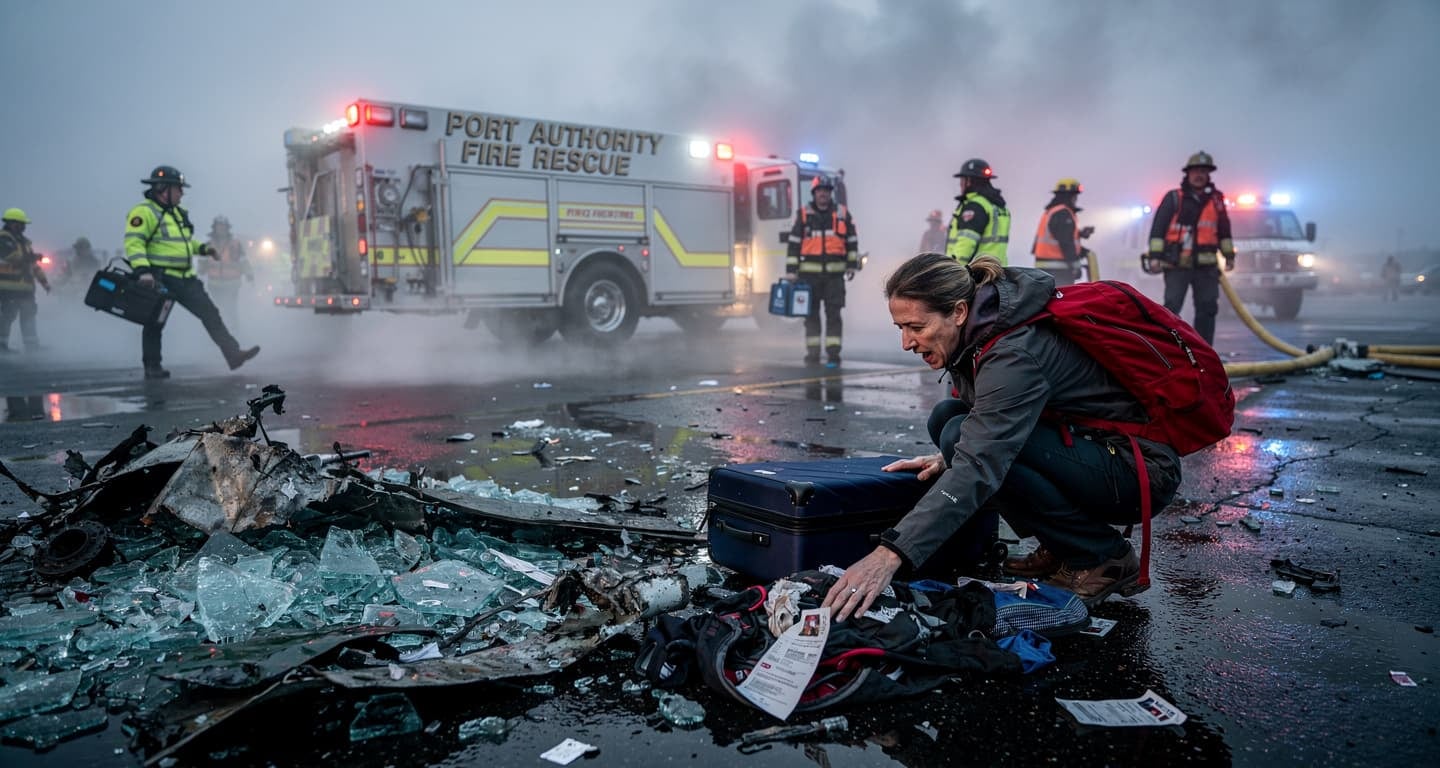
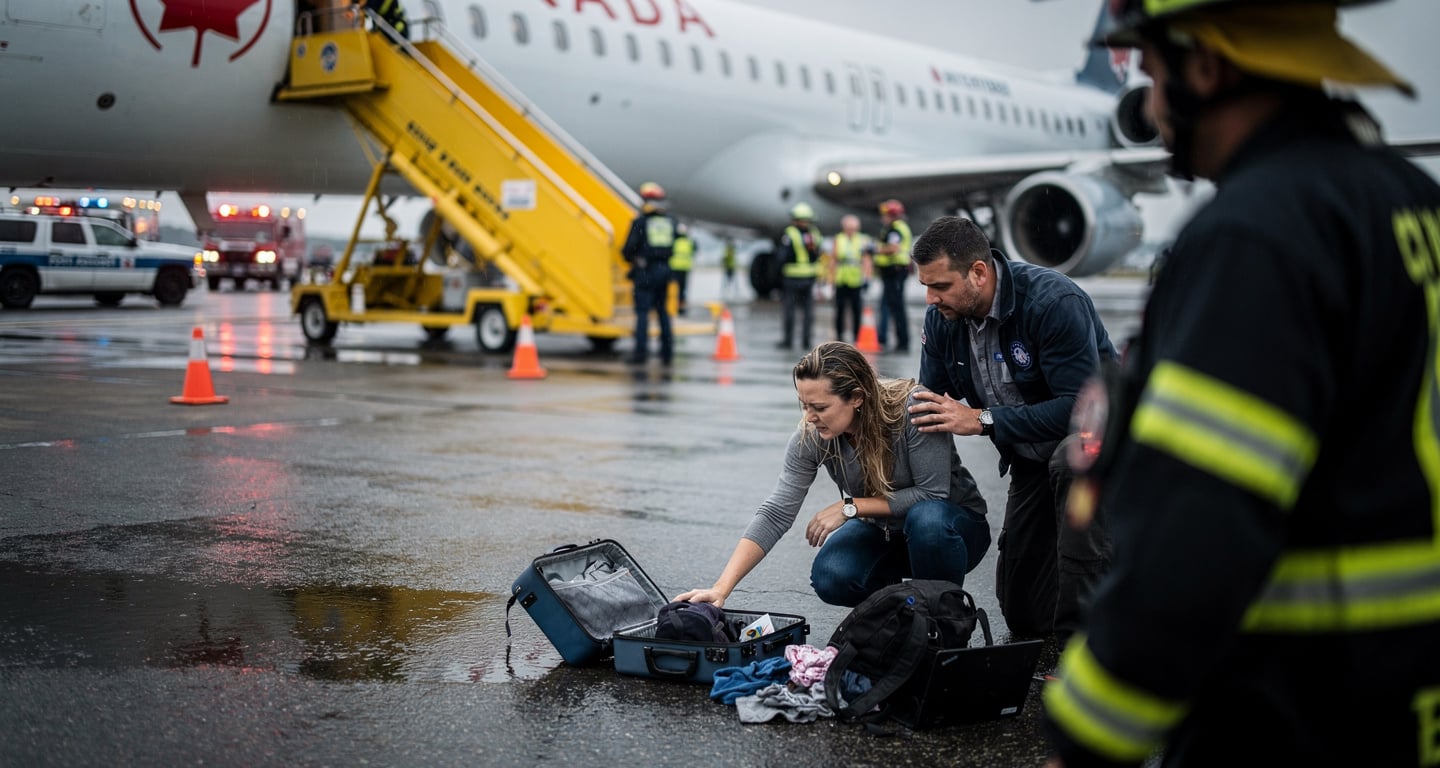
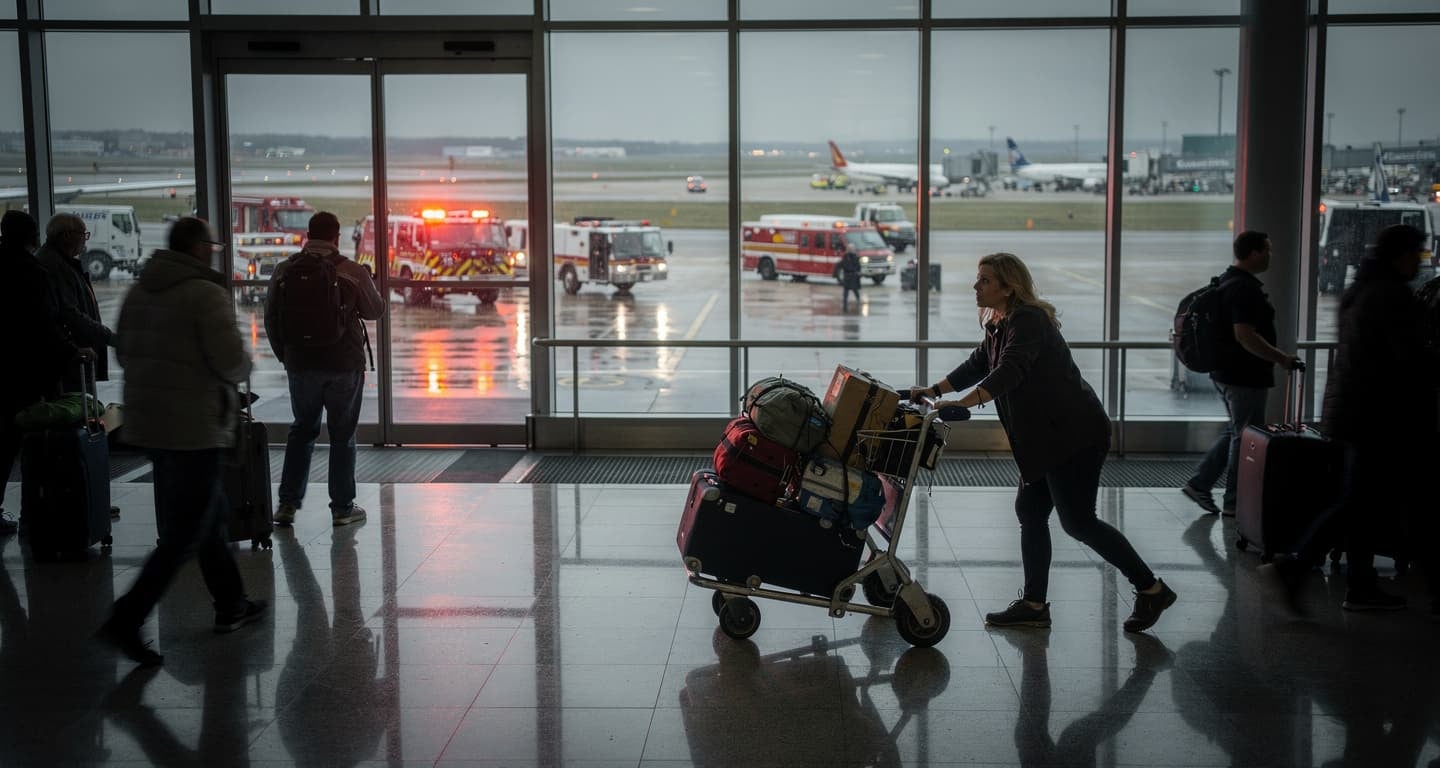
Air Canada Express Flight 8646, a Jazz Aviation CRJ-900 carrying 72 passengers from Montreal, collided with a Port Authority fire truck on Runway 4 at LaGuardia Airport at 11:45 p.m. ET on March 23, 2026, killing both pilots and hospitalizing 43 people. The aircraft was traveling between 93 and 105 mph at impact. LaGuardia closed immediately and reopened Monday at 2 p.m. with reduced capacity, creating a backlog of stranded passengers and aircraft.
Audio recordings show an air traffic controller instructing the fire truck to stop multiple times immediately before the collision—the truck had been cleared to cross the runway to respond to a separate United Airlines incident. This is LaGuardia’s first fatal crash in 34 years.
A fatal runway collision at one of the busiest airports in the United States has killed two Air Canada pilots and left dozens injured, triggering an NTSB investigation that will scrutinize air traffic control procedures and ground vehicle protocols at LaGuardia Airport.
The Jazz Aviation CRJ-900 regional jet—operating as Air Canada Express Flight 8646 from Montreal-Trudeau International Airport—struck a Port Authority Aircraft Rescue and Firefighting vehicle on Runway 4 at approximately 11:45 p.m. ET Sunday. Both the captain and first officer died on impact. At least 43 people were hospitalized, including 39 passengers and crew from the aircraft and 2 Port Authority firefighting officers. Most were released by late Monday morning, though some suffered serious injuries.
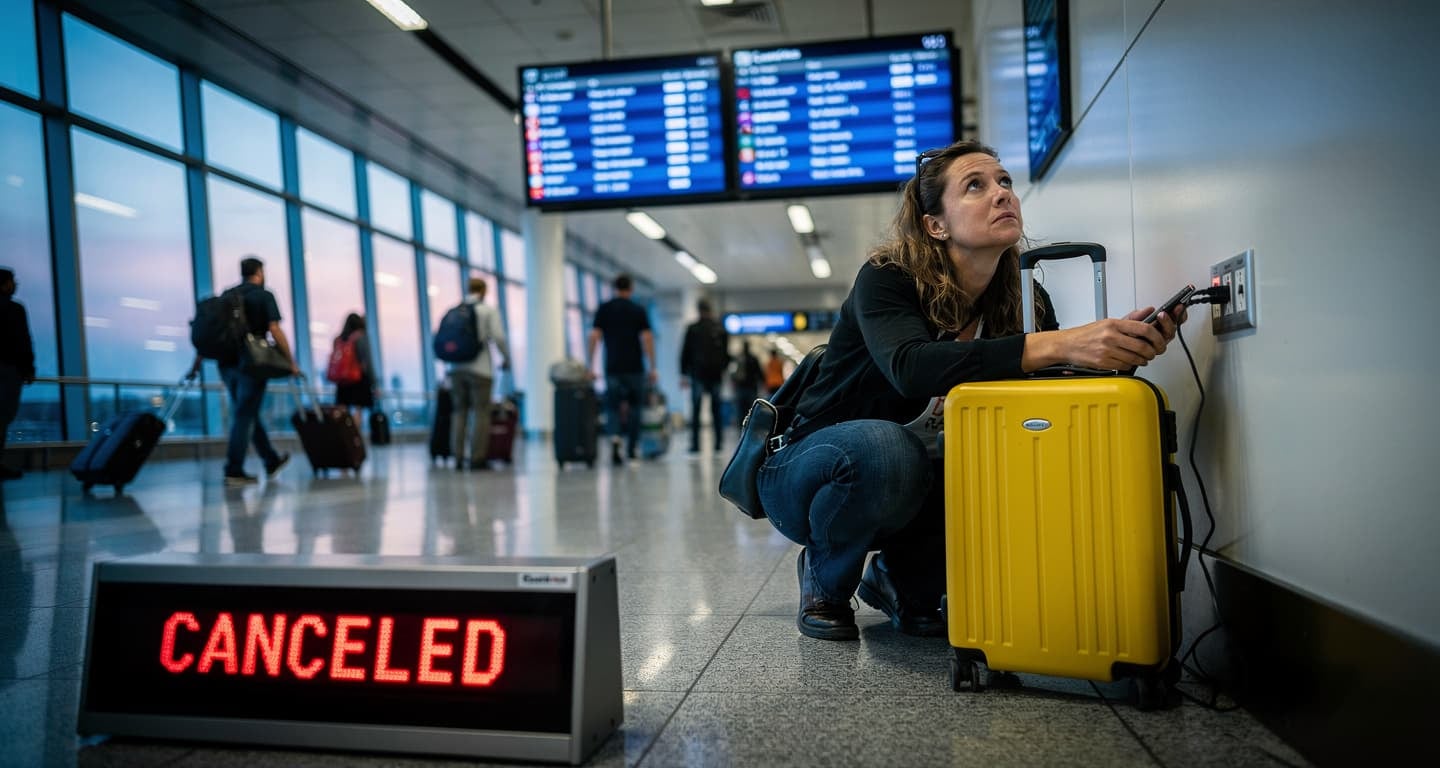
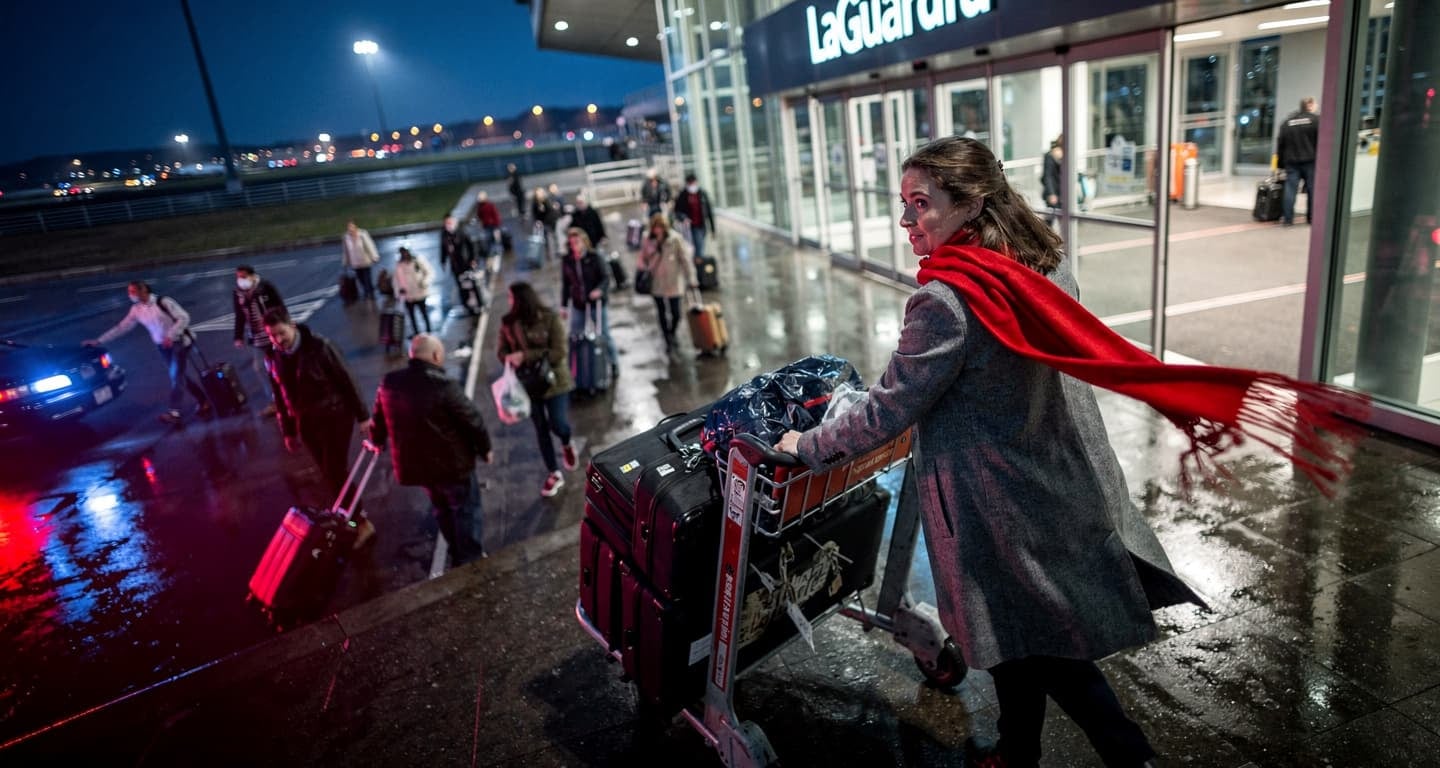
LaGuardia Airport closed immediately following the collision and reopened Monday at 2 p.m. with one runway initially restricted. The closure—the airport’s first fatal crash in three decades—created immediate cancellations and rebooking delays for Air Canada passengers on Jazz regional flights to and from LGA.
What the investigation has revealed so far
The fire truck had been cleared by air traffic control to cross Runway 4 at taxiway Delta to respond to a separate United Airlines aborted takeoff incident. Audio recordings obtained by investigators show an air traffic controller instructing the vehicle to stop multiple times immediately before the collision, suggesting a breakdown in ground control coordination.
The NTSB is leading the investigation with assistance from the FAA, Port Authority Police, and Canadian authorities—Jazz Aviation is a Canadian regional carrier subject to Transport Canada oversight. Investigators are examining air traffic control procedures, weather conditions, and controller staffing levels at the time of the incident.
The aircraft was traveling between 93 and 105 mph at the moment of impact, according to preliminary data. The CRJ-900 carried 72 passengers and 4 crew members. The collision occurred on Runway 4, one of LaGuardia’s two primary runways, during a period of moderate traffic volume typical for late Sunday evening operations.
| Category | Count | Status |
|---|---|---|
| Fatalities (pilots) | 2 | Captain and first officer |
| Hospitalized | 43 | Most released by Monday late morning |
| Passengers on board | 72 | 39 hospitalized |
| Crew on board | 4 | 2 fatalities, 2 hospitalized |
| Airport closure duration | 14.25 hours | Reopened 2 p.m. Monday |
The FAA initially issued a ground stop expecting closure until 2 p.m. Monday. The airport reopened on schedule but with one runway restricted, reducing capacity and creating a ripple effect of delays across the Northeast corridor. Flights from North America to Canada on Air Canada and partner carriers faced immediate rebooking pressure as Jazz regional aircraft were grounded for inspection.

Flight deals most people never see
Our AI monitors 150+ airlines for pricing anomalies that traditional search engines miss. Air Traveler Club members save $650 per trip per person on average: see how it works.
Each deal saves 40–80% vs. regular fares:

How this compares to LaGuardia’s safety record
LaGuardia’s last fatal aircraft accident occurred in 1992—US Air Flight 405, a Fokker F28 that crashed during takeoff in snow, killing 27 of 51 aboard. That incident led to enhanced winter operations protocols and de-icing procedures at the airport. The current collision represents a different failure mode: a runway incursion by ground equipment rather than weather or mechanical failure.
The 1992 crash prompted the FAA to mandate stricter de-icing standards and holdover time calculations for aircraft departing in winter weather. The 2026 collision will likely trigger a similar regulatory response focused on ground vehicle coordination and air traffic control clearance protocols—particularly at airports with high ground traffic density like LaGuardia, where fire trucks, fuel vehicles, and maintenance equipment share taxiways with aircraft.
Runway incursions—defined as any unauthorized entry onto a runway by an aircraft, vehicle, or person—have been a persistent safety concern at US airports. The FAA recorded 1,732 runway incursions in fiscal year 2023, though the vast majority involved no collision. Fatal ground collisions remain rare: the last comparable incident at a major US airport occurred in 2006 at Lexington, Kentucky, when a Comair CRJ-100 took off from the wrong runway and crashed, killing 49.
What Air Canada passengers should do
Air Canada passengers with bookings on Jazz regional flights to or from LaGuardia through late March face elevated cancellation risk as the airline adjusts schedules during the investigation and aircraft recovery.
- Contact Air Canada immediately if you hold a booking on a Jazz regional flight (flight numbers AC 8000–8999) departing or arriving at LGA between March 24 and April 5. The airline is offering rebooking without change fees on alternative flights or routes.
- Check alternative New York gateways: JFK and Newark operate full schedules with no disruption. Air Canada mainline and United Airlines offer frequent service to Montreal from both airports, though fares may be temporarily elevated due to rebooking demand.
- Monitor the NTSB preliminary report (expected 30–45 days post-incident) for findings on air traffic control procedures. If the report identifies systemic issues, expect further schedule adjustments on Jazz regional routes through May.
- File travel insurance claims promptly if you incurred rebooking costs or missed connections due to the LaGuardia closure. Most policies cover delays caused by airport closures, though coverage for accident-related disruptions varies by policy terms.
Watch: The NTSB’s preliminary factual report, typically issued 30–45 days post-incident, will reveal the specific sequence of air traffic control clearances and the fire truck operator’s actions. If controller error or inadequate ground safety protocols are identified, expect FAA directives on runway incursion prevention at major US airports within 60–90 days.

Will Air Canada compensate passengers for delays caused by the LaGuardia collision?
US DOT rules do not mandate compensation for accidents or ground incidents. However, Air Canada is offering rebooking without change fees on Jazz regional flights affected by the closure. Passengers may pursue claims under airline liability limits (Montreal Convention) if they suffered injury or significant financial loss due to the incident.
Are Jazz Aviation regional flights safe to fly after this collision?
Jazz Aviation operates under Transport Canada certification with the same safety standards as Air Canada mainline. The collision involved a ground vehicle incursion, not an aircraft mechanical failure or pilot error. The NTSB investigation is examining air traffic control procedures and ground vehicle protocols—not the aircraft or crew performance. Jazz’s CRJ-900 fleet remains certified for operation.
How long will LaGuardia schedule disruptions last?
LaGuardia reopened Monday at 2 p.m. with reduced capacity. Air Canada Jazz regional flights face elevated cancellation risk through late March as the airline adjusts schedules during the investigation and aircraft recovery. The NTSB preliminary report (expected 30–45 days post-incident) may trigger further schedule changes if systemic issues are identified.
Can I rebook my Air Canada flight to a different New York airport?
Yes. Air Canada is offering rebooking without change fees on alternative flights or routes. JFK and Newark operate full schedules with no disruption. Air Canada mainline and United Airlines offer frequent service to Montreal from both airports, though fares may be temporarily elevated due to rebooking demand.
Read more