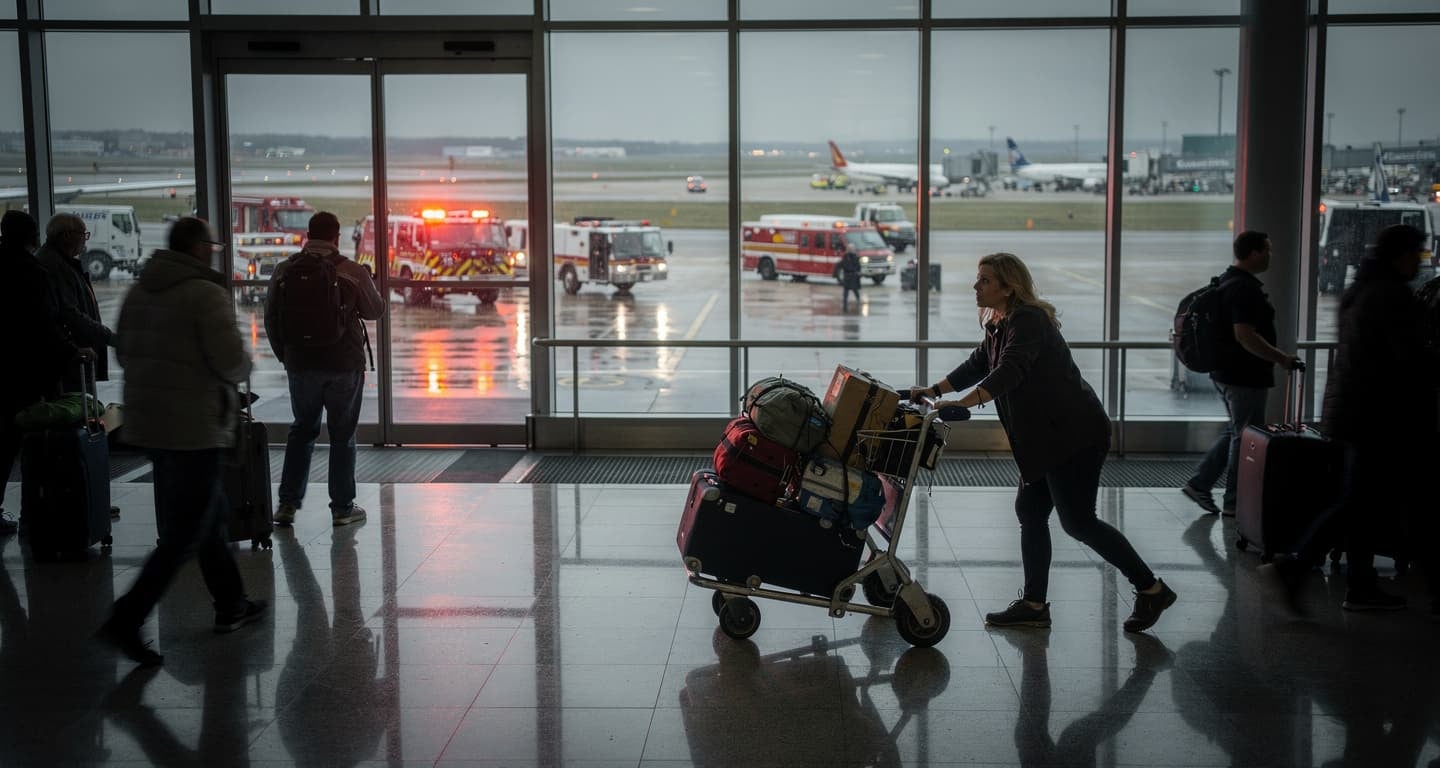
Air traffic control audio shows the fire truck received multiple “stop” commands before the collision — the NTSB is investigating why the vehicle and landing aircraft occupied the same runway. Travelers with LaGuardia bookings through March 25 face rebooking delays as the airport clears the backlog.
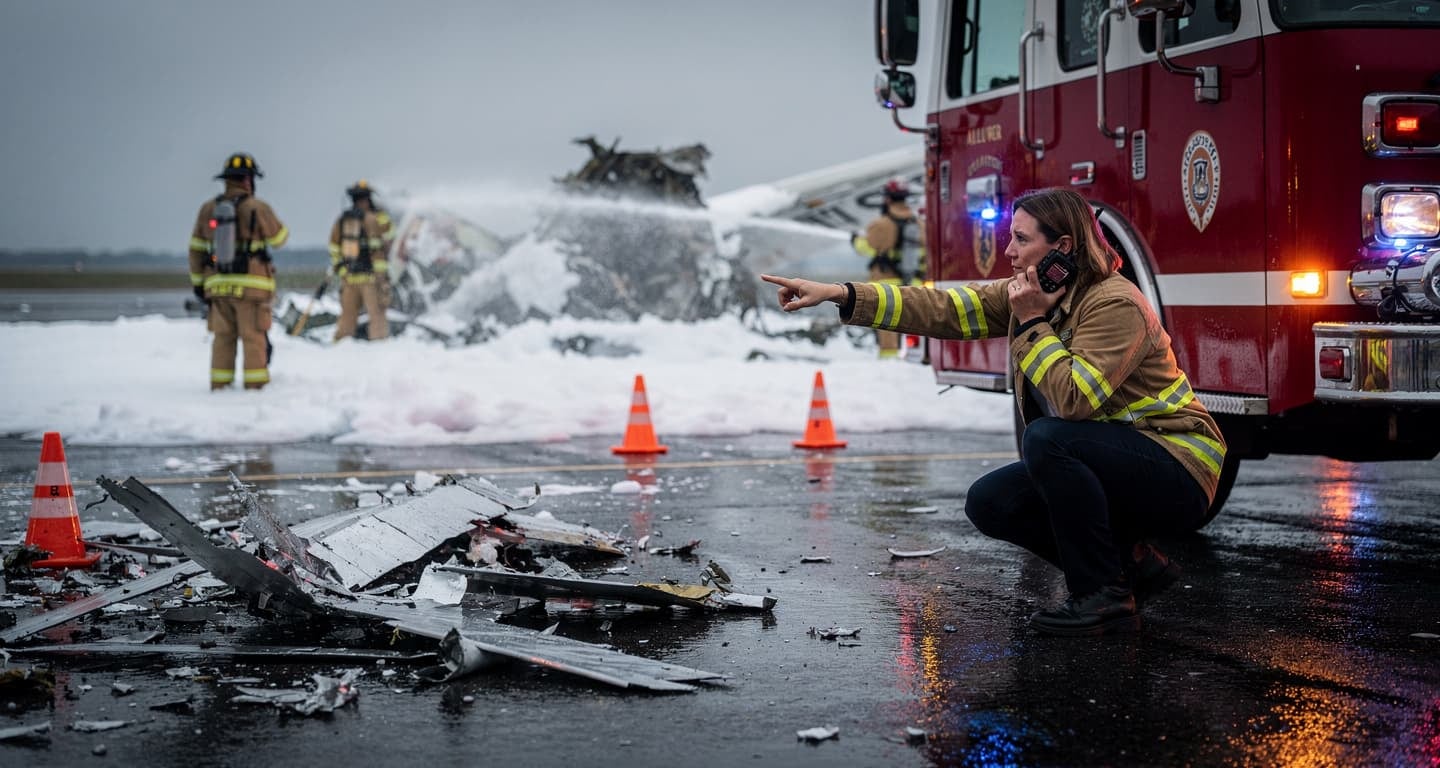
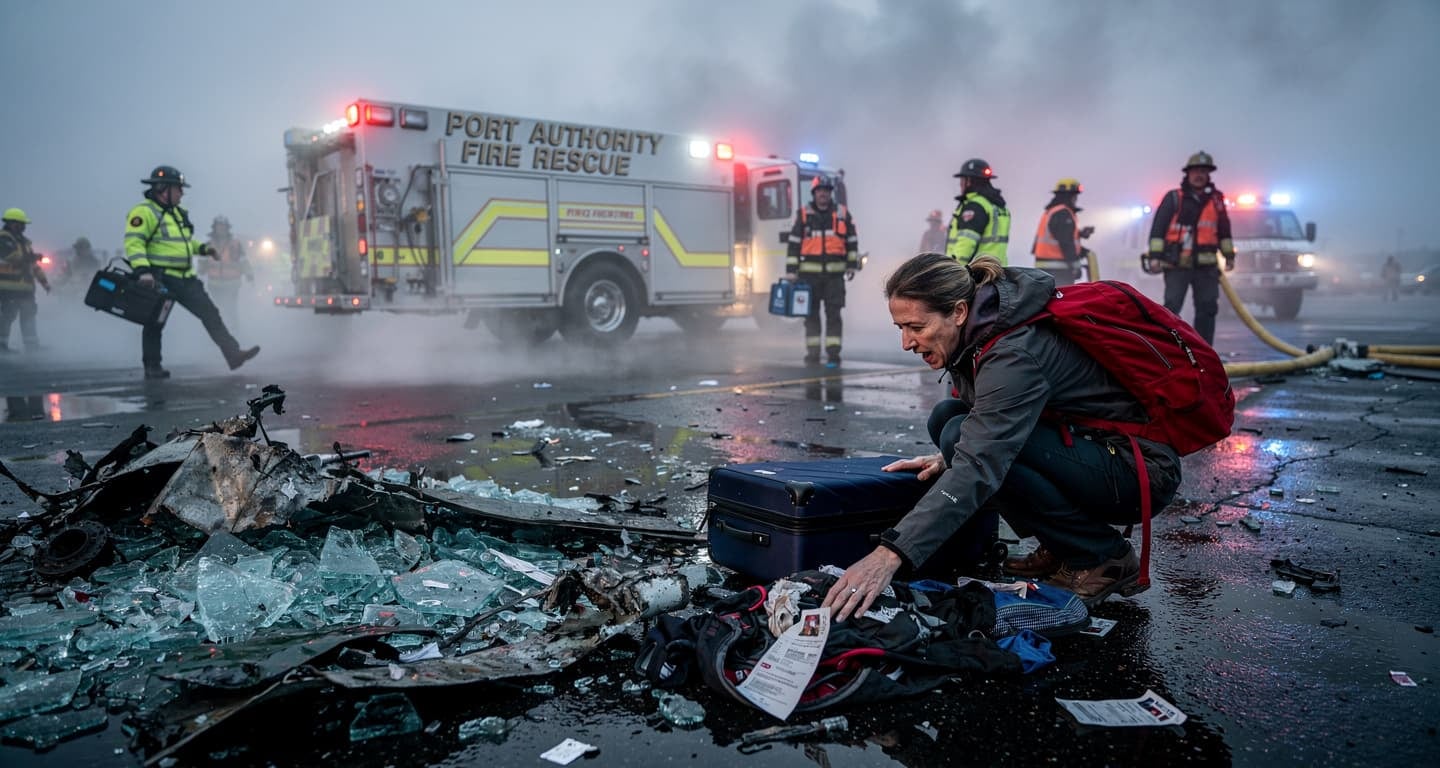
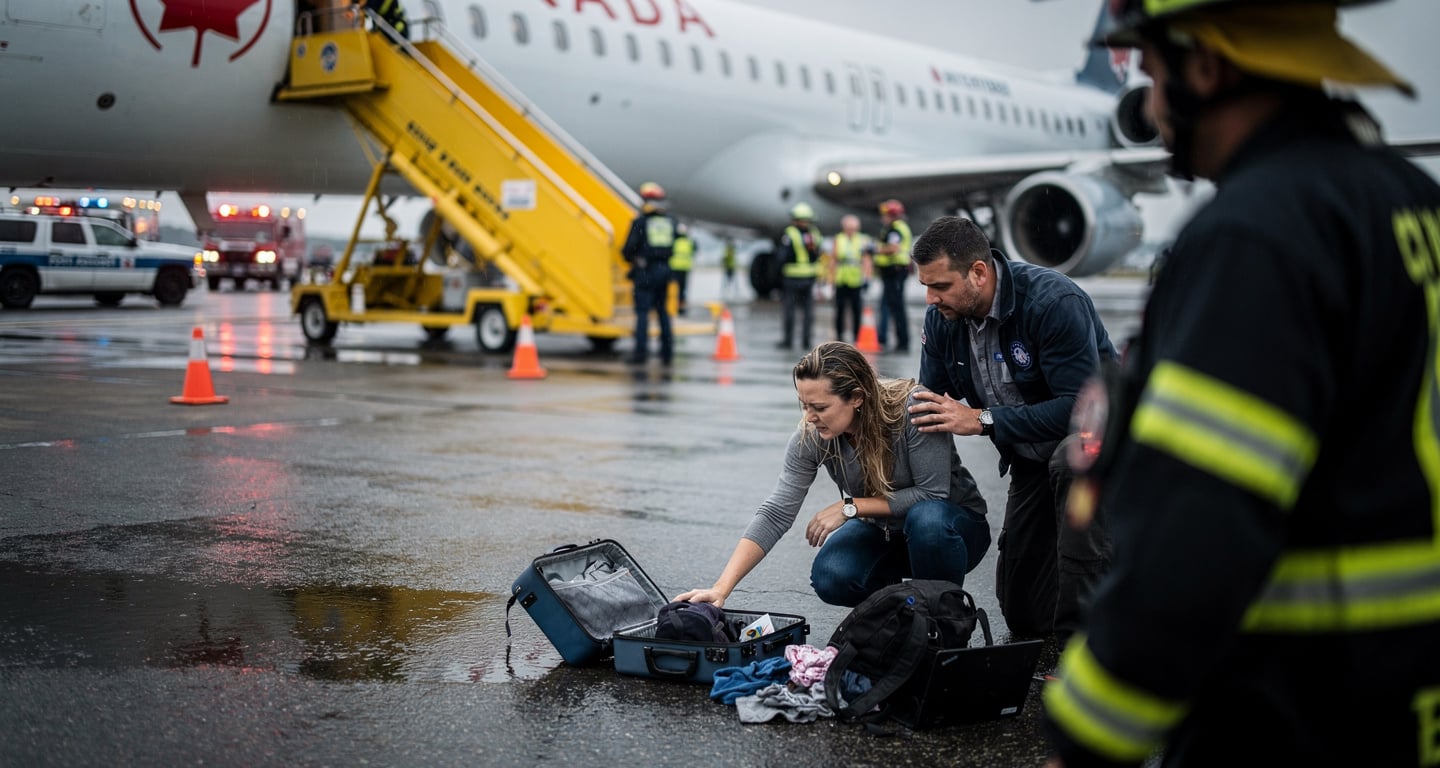
The Jazz Aviation-operated regional jet was on final approach when it struck the fire truck responding to a separate rejected takeoff on the same runway. The impact obliterated the aircraft’s forward fuselage. Most of the 41 hospitalized were released by Monday morning, but the two pilots — whose names have not been publicly released — died at the scene.
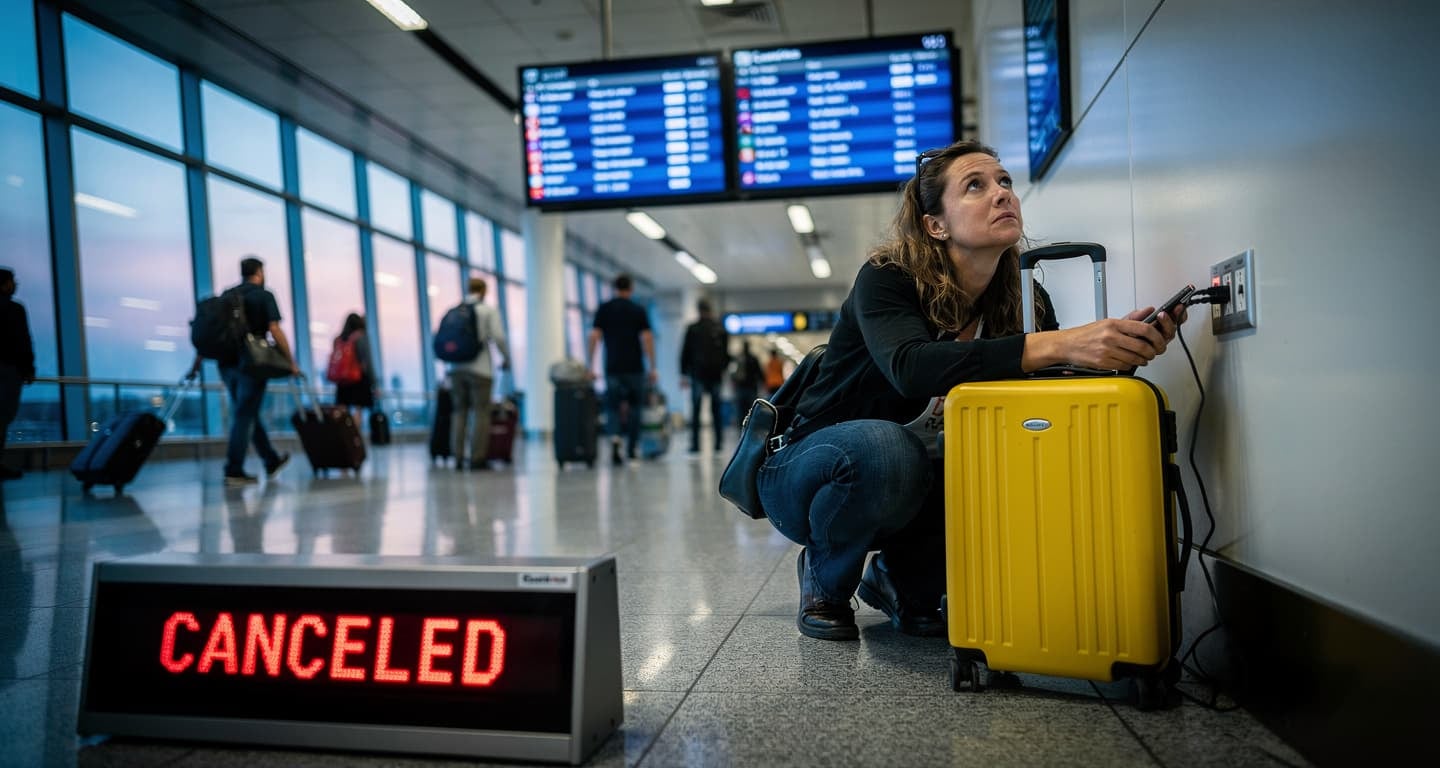
LaGuardia reopened Monday afternoon after a full-day closure, but the ripple effects continue. Travelers holding tickets for flights through March 25 should expect delays, gate changes, and possible diversions to Newark or JFK as the Port Authority works through a backlog of hundreds of canceled flights.
What the audio reveals about the collision
Air traffic control recordings obtained by investigators show the fire truck was instructed to “stop” multiple times in the seconds before impact, according to Fox News live coverage citing NTSB sources. The vehicle was responding to an unrelated rejected takeoff when it entered Runway 4 — the same runway cleared for the Air Canada jet’s landing.
The CRJ-900 carried 72 passengers and 4 crew on a routine 1-hour 15-minute flight from Montreal. Jazz Aviation, which operates regional routes for Air Canada Express, confirmed the aircraft was a Bombardier CRJ-900 — a 76-seat regional jet commonly used on short-haul routes across North America.
The NTSB and FAA have launched parallel investigations. Canadian Prime Minister Mark Carney stated Monday that Canadian officials are coordinating with US authorities, though no timeline for preliminary findings has been announced.
| Factor | Detail | Status |
|---|---|---|
| Flight | Air Canada Express 8646 (YUL–LGA) | Aircraft destroyed |
| Aircraft | Bombardier CRJ-900, 72 passengers + 4 crew | Nose section obliterated |
| Collision time | 11:47 p.m. ET, Runway 4 | Fire truck on active runway |
| Fatalities | 2 pilots | Confirmed by Port Authority |
| Injuries | 41 hospitalized (39 passengers/crew, 2 firefighters) | Most released by Monday morning |
| Airport closure | March 23, most of day | Reopened Monday afternoon |

Flight deals most people never see
Our AI monitors 150+ airlines for pricing anomalies that traditional search engines miss. Air Traveler Club members save $650 per trip per person on average: see how it works.
Each deal saves 40–80% vs. regular fares:

How runway incursions happen at major airports
Runway incursions — when vehicles, aircraft, or personnel enter an active runway without clearance — are rare at US airports, but the consequences are catastrophic when coordination fails. LaGuardia operates under Part 139 certification, which requires annual FAA audits of airport rescue and firefighting (ARFF) procedures.
The fire truck in this case was responding to a rejected takeoff on the same runway where Flight 8646 had been cleared to land. Air traffic control audio shows the vehicle received multiple stop commands, but the collision occurred anyway — suggesting either a communication breakdown or a failure to execute the instruction in time.
The closest historical parallel is a 2005 Learjet crash at Teterboro, New Jersey, where the aircraft overran the runway and killed both pilots. That incident led to NTSB recommendations on ARFF vehicle coordination, but no systemic changes were mandated across US airports. The LaGuardia collision will likely trigger a review of those protocols.
What to do if your flight is affected
LaGuardia has reopened, but the backlog means disruptions will persist through midweek.
- Check flight status before leaving for the airport. Airlines are rebooking proactively, but gate assignments and departure times are changing hourly. Use your carrier’s app or website — do not rely on third-party flight trackers.
- Request a refund if your flight was canceled. US Department of Transportation rules require airlines to refund tickets for cancellations or delays exceeding 3 hours when the disruption is outside passenger control. Air Canada passengers departing from Montreal may also qualify for CAD$400–1,000 compensation under Canada’s Air Passenger Protection Regulations if the delay exceeds 3 hours and is deemed within airline control.
- Rebook through alternate airports if time-sensitive. Newark and JFK are absorbing diverted traffic, but availability is tight. If your trip cannot wait, consider Amtrak or rental car options for destinations within 300 miles.
- Document all expenses. If you incur hotel, meal, or ground transportation costs due to the delay, keep receipts. Airlines are not required to reimburse these under US law, but some carriers offer goodwill compensation on a case-by-case basis.
Watch: The NTSB preliminary report — expected within 10–30 days — will reveal whether the fire truck entered the runway without clearance or if air traffic control failed to issue a timely stop command. If fault is assigned to ARFF procedures, expect enhanced vehicle protocols at LaGuardia and other major US hubs.

FAQ
Will Air Canada flights resume normal operations at LaGuardia?
Yes. Air Canada and its regional partner Jazz Aviation continue to operate scheduled flights to LaGuardia. The aircraft involved in the collision was destroyed, but the airline’s fleet includes multiple CRJ-900s. Expect minor schedule adjustments through March 25 as crews reposition.
Can I claim compensation for a canceled LaGuardia flight?
US passengers are entitled to a full refund for cancellations or delays exceeding 3 hours under DOT rules. Canadian passengers departing Montreal may qualify for CAD$400–1,000 under APPR if the delay is deemed within airline control. Contact your carrier directly to file a claim.
How long will LaGuardia delays last?
The airport reopened Monday afternoon, but gate congestion and crew repositioning mean normal operations won’t resume until midweek. Travelers with bookings through March 25 should expect delays of 24–48 hours. Monitor your airline’s app for real-time updates.
Read more