Summary
JetBlue is launching a “BlueFirst Base” fare that strips seat selection from its upcoming domestic first-class cabin, extending the unbundled premium cabin model pioneered by United and Delta. The carrier confirmed the new fare will slot between its EvenMore extra-legroom product and Mint business class, with first-class cabins arriving later this year on transcontinental routes such as New York‑JFK to Seattle and Boston to Portland.
The move gives travelers a lower entry price for a first-class seat but removes a core perk most premium travelers expect. JetBlue expects the fare to be bookable within days, so the immediate window matters for anyone who wants to lock in the cheapest first‑class ticket before the cabins even debut.
JetBlue is carving out a third tier in its domestic premium pricing — one that charges for the seat but not the full experience. On Monday the airline confirmed it will introduce a “Base” fare for its coming BlueFirst first-class cabin, marking the first time a major U.S. carrier has unbundled a domestic premium seat to this degree. The fare family, set to roll out in the coming days, removes seat selection entirely at the lowest price point, mirroring the basic‑business‑class strategies that United and Delta have already deployed on international routes.
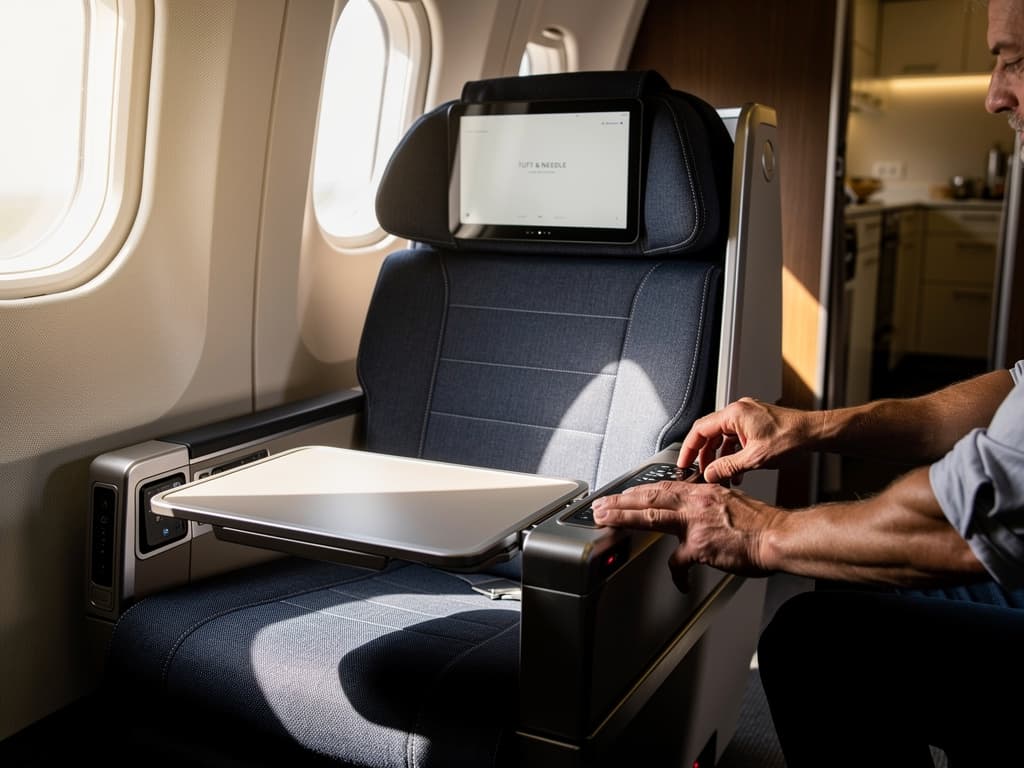
The new BlueFirst cabin itself — a recliner-style domestic first‑class product — won’t appear until later this year on all JetBlue aircraft that currently lack Mint business class. That means long transcontinental routes like New York‑JFK to Seattle and Boston to Portland will finally get a first‑class section after years of all‑economy flying. For JetBlue loyalists who’ve been upgrading from blue to blue‑er, the change is immediate: you’ll be able to book the first‑class seat before the first aircraft gets its new interior.
The Base fare arrives alongside two other tiers: Standard, which includes seat selection and travel credits for cancellations, and Flex, which offers full refunds to your original payment method. Crucially, JetBlue says Mint — its lie‑flat transcon and international product — will not get a Base fare. That exclusion suggests the airline sees Mint as a premium stronghold it doesn’t want to dilute, even as it unbundles its new domestic first class.
Pricing specifics remain unconfirmed, but JetBlue says BlueFirst Base will land between EvenMore and Mint. A sample search for Boston‑to‑Los‑Angeles in August showed economy fares at $300–$500, EvenMore around $900, and Mint near $1,700. If BlueFirst lives in that middle zone, a Base ticket could open a first‑class seat for hundreds of dollars less than a typical unrestricted fare — provided you’re willing to surrender seat choice.
This segmentation isn’t happening in a vacuum. JetBlue’s first‑quarter earnings showed premium cabin revenue growing nine percentage points faster than economy year over year, reinforcing the hunger for premium seats. But the Base fare is designed to capture price‑sensitive travelers who would otherwise stay in coach, not to reward loyalists. And that has some industry watchers sounding caution.
How the new fare families stack up
JetBlue’s revamped fare architecture now applies four seat categories — BlueFirst, EvenMore, Main (formerly “Core”), and Mint — with each offering Base, Standard, and Flex tiers except for Mint, which keeps its existing bundle. The airline says the goal is to let customers “book what’s right for them,” according to president Marty St. George, but the practical effect is that the lowest‑cost premium ticket will remove a feature that has been a fundamental part of the first‑class promise: seat selection.
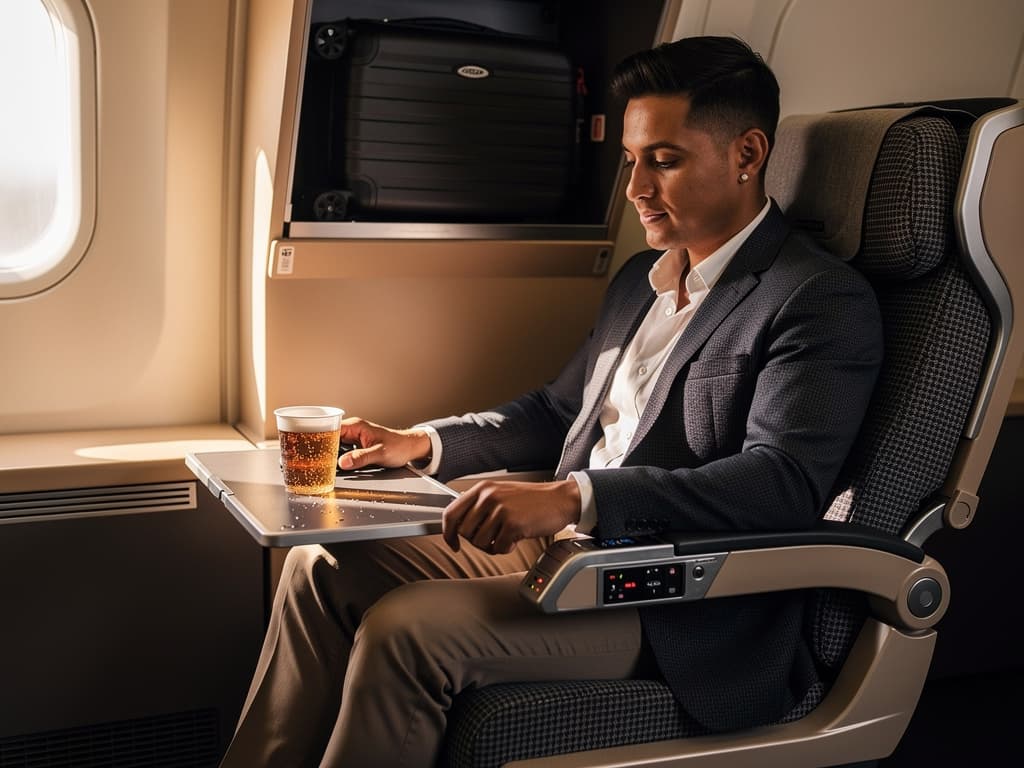
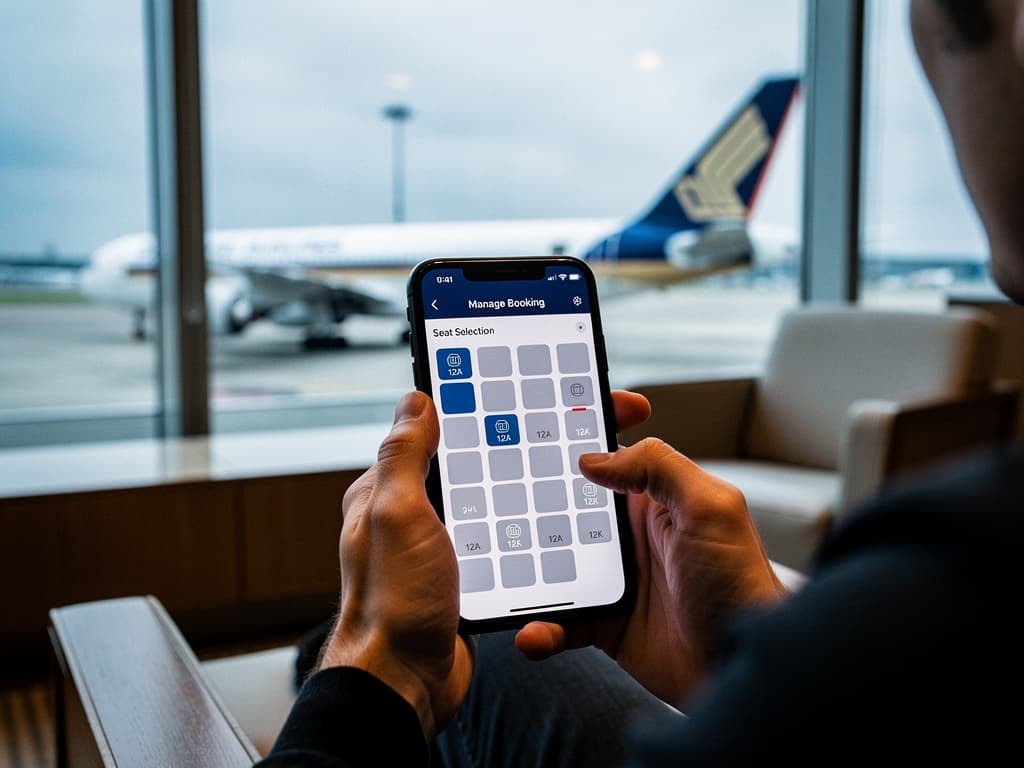
BlueFirst Base will not let you pick a seat before check‑in. That means you’ll see a first‑class boarding pass without knowing if you’ll have bulkhead or aisle until day‑of. For solo travelers who prioritize legroom and a wider seat over a specific position, that may be an acceptable trade‑off. For anyone traveling with a companion or needing early access to overhead bin space, it’s a gamble.
The airline’s official investor‑relations release confirms that the Base tier extends to EvenMore and Main cabins as well, but Blue Basic — the existing stripped‑down economy fare — remains separate and distinct. Confusion between “Base” and “Basic” is likely, and JetBlue is counting on that nuance to nudge passengers toward Standard or Flex for a small premium.
| Fare | Seat Selection | Cancellation/Change | Key Trade‑off |
|---|---|---|---|
| Base | Not included | Travel credit only, fee applies | Lowest price, no assignment until check‑in |
| Standard | Included | Travel credit, no change fee | Mid‑tier price, seat choice assured |
| Flex | Included | Full refund to original payment | Highest price, full flexibility |

Flight deals most people never see
Our AI monitors 150+ airlines for pricing anomalies that traditional search engines miss. Air Traveler Club members save $650 per trip per person on average: see how it works.
Each deal saves 40–80% vs. regular fares:

Why “basic first class” is a balancing act
The real intelligence here isn’t the fare itself — it’s the direction JetBlue is pointing the entire premium cabin market. By unbundling seat selection from a domestic first‑class ticket, the airline is testing whether travelers will accept a stripped‑down premium product in exchange for a lower entry price. Air Traveler Club’s analysis of United’s basic Polaris fare shows how that carrier already removed mileage earning and lounge access from its cheapest business‑class ticket, charging $6,000-plus for a seat that earns zero redeemable miles without a co‑branded card. JetBlue’s BlueFirst Base borrows from that playbook but applies it to a less expensive domestic cabin where the margin for error — and consumer pushback — is smaller.
Industry analyst Henry Harteveldt of Atmosphere Research Group warned that basic premium fares could gradually erode the traditional first‑class experience without making travel cheaper overall. Airlines, he noted, might keep lower‑tier premium prices near current levels while steadily raising fully flexible tickets. That puts the burden on travelers to decide whether the seat alone is worth the price of admission.
For JetBlue, the Base fare isn’t just about filling first‑class cabins — it’s about conditioning the market to see premium travel as a series of optional extras. The airline’s challenge will be to manage expectations when a passenger books BlueFirst Base expecting a full premium experience and discovers they can’t pick a seat until check‑in. How JetBlue handles that friction — through clear disclosures and maybe a small price difference between Base and Standard — will determine whether this experiment sticks.
How to approach JetBlue’s new premium fare structure
The unbundling of first‑class perks means travelers must now weigh seat comfort against flexibility on every booking. For premium travelers who typically book domestic first class as a block of benefits — better seat, priority boarding, seat choice — the Base fare breaks that promise. Here’s what to watch.
- Seat selection is the pivot point. If you’re flying solo and don’t mind a random assignment, Base could deliver a wider seat and better meal at a significant discount. If you’re traveling with someone or need a specific position, Standard or Flex are the only ways to guarantee your seat before check‑in.
- Compare total cost, not just the base fare. The savings from Base may evaporate if you later pay for a seat assignment or change fees. Run side‑by‑side dummy bookings for your exact route — JetBlue’s own site will make those trade‑offs visible once the fare families load.
- Watch the rollout timeline. BlueFirst cabins are being installed later this year on aircraft that currently fly all‑economy. Until those interiors are complete, booking a BlueFirst fare on an unretrofitted plane won’t get you a first‑class seat. Verify the aircraft type during booking.
- Check TrueBlue earning rules. JetBlue hasn’t said whether BlueFirst Base will earn reduced or no points, similar to how Delta’s basic business fares slash mileage accrual. If you rely on award travel, Standard or Flex may be necessary to protect your earning rate.
Watch for the first live booking screen to confirm exactly what Base fares earn in TrueBlue points and how aggressively JetBlue prices the gap between Base and Standard. If the spread is narrow, Base may be a false economy — and the airline’s goal may simply be to train you to pay more.
FAQ
Will BlueFirst Base include any TrueBlue miles or elite benefits?
JetBlue hasn’t yet disclosed earnings rates for the Base fare. Based on similar unbundled premium fares at United and Delta, it’s likely that BlueFirst Base will either offer reduced mileage accrual or exclude elite qualifying activity entirely. Check the fare rules at booking before assuming you’ll earn points toward next year’s status.
Can I add seat selection later if I buy a BlueFirst Base ticket?
You can typically buy seat selection separately during or after booking, but the price depends on availability and route. On a short transcontinental flight, that add‑on may push the total cost above a Standard fare. Compare the bundled price before committing.
Read more