Summary
A Philadelphia mother was forced to buy a $793 one-way ticket at the gate for her child who had turned two between the outbound and return flights, exposing a harsh regulatory trap for families. Federal regulation 14 CFR §121.311 mandates a separate seat for anyone who has reached their second birthday, applied segment by segment, not per roundtrip booking.
American Airlines correctly enforced the rule, but the family said the airline never warned them despite the child’s birthdate being on the reservation. With no grace period, families with toddlers approaching age two must recheck every flight segment before travel — or risk a four‑figure last‑minute fare.
A cross‑country roundtrip turned into a $793 nightmare when gate agents flagged that the child in a mother’s arms had celebrated a second birthday days earlier. The family, traveling between Philadelphia and Los Angeles, was told the toddler could no longer ride as a lap infant on the return flight — and that a seat must be purchased at the airport walk‑up rate.
The shock is rooted in an obscure but absolute Federal Aviation Administration mandate. Under 14 CFR §121.311, anyone who “has reached his second birthday” must occupy an approved seat with a separate safety belt. The regulation does not apply to the whole itinerary; it is evaluated for each flight segment. A child who is under two when the journey begins but turns two before a later segment loses lap‑child status immediately.
American Airlines states plainly in its conditions of carriage that a child who turns two during a trip needs a seat for the remainder of the itinerary. The passenger’s experience suggests, however, that no automated alert triggered when the birthdate was entered. The family had added the infant to the booking, yet the system did not flag that the return leg would require a purchased seat.
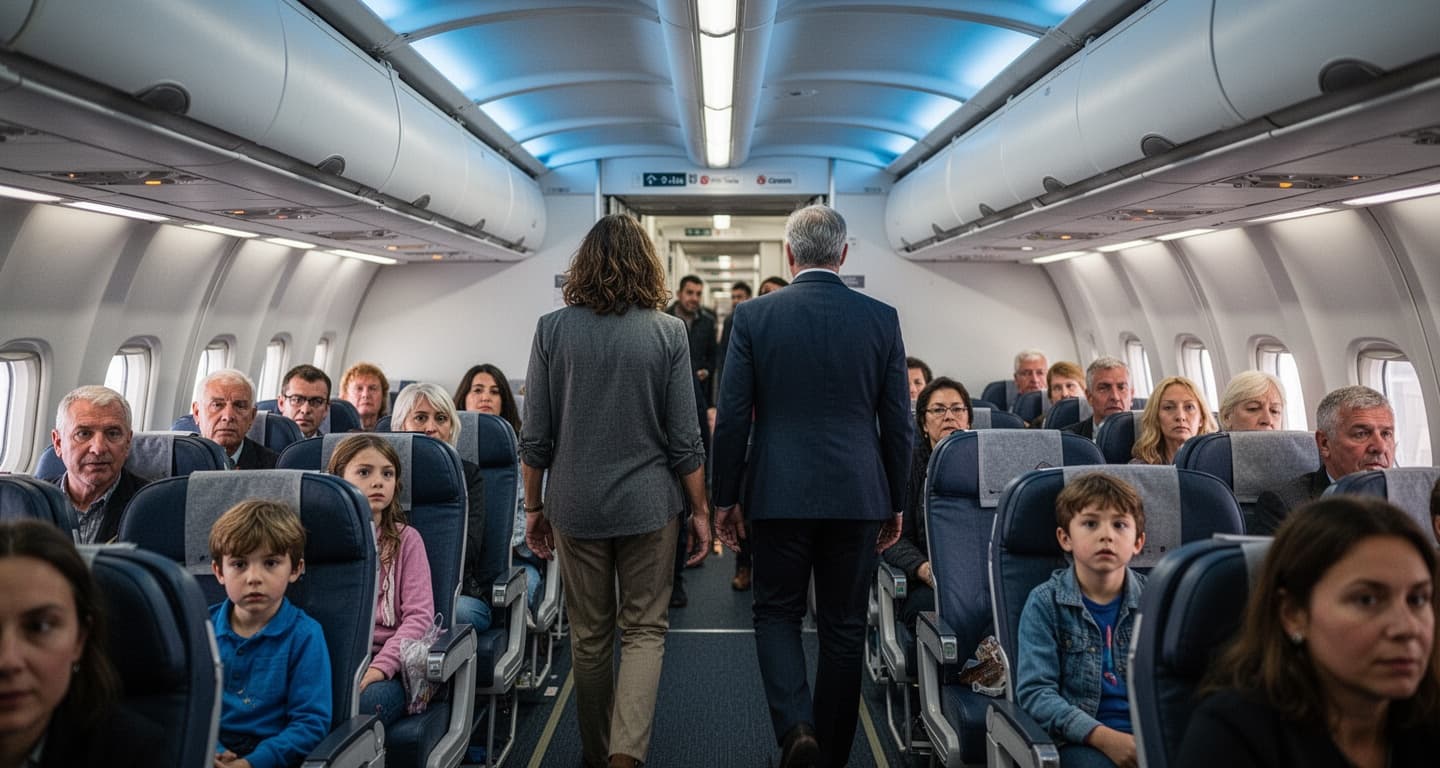
The mother described the experience as humiliating and traumatic, saying she would have gladly bought an advance ticket had she been notified. The aircraft had spare seats, but none adjacent to the parents, leaving them to negotiate with other passengers so a two‑year‑old wouldn’t be alone.
The incident underscores the pressure on families during peak travel periods. For any traveler holding a roundtrip where the child’s second birthday falls between departure and return, the cost difference between an advance‑purchase fare and a walk‑up price can be stark — $793 in this case, on a route where an early‑booked seat might have cost a fraction of that.
The details of the regulatory cutoff and airline obligations
American Airlines’ official guidance, detailed on its “Traveling with children” page, is unambiguous: a child must be under 2 for the entire trip to travel as a lap infant. If the second birthday falls mid‑itinerary, a seat must be purchased for flights on or after that birthday. This aligns with the FAA’s seat‑belt requirement and leaves no room for discretion.
The rule applies to the scheduled departure date. An overnight flight departing the day before the child’s birthday, arriving on the birthday, is treated as under‑two for the entire flight. But a connection — or return segment — scheduled to depart on or after that birthday triggers the seat requirement immediately.
The airline’s family seating policy adds another layer of friction. American automatically tries to seat children under 15 next to at least one adult, but only within the same reservation. A last‑minute, one‑way ticket bought at the gate falls outside that automation, often scattering families across the cabin.
The passenger’s viral account claims she had provided the child’s correct birthdate. Yet no warning was issued months earlier, even though American’s system could have cross‑referenced the birthday with the return flight’s departure date. The airline has not commented on whether it will introduce a proactive alert.
| Event | Detail |
|---|---|
| Outbound flight | Child under 2, allowed as lap infant at no extra charge |
| Child’s second birthday | Occurred between outbound and return segments |
| Return flight | Gate agent enforced FAA rule; last‑minute one‑way ticket charged $793 |
| Policy confirmation | AA’s conditions of carriage require a seat for the remainder of the trip |

Flight deals most people never see
Our AI monitors 150+ airlines for pricing anomalies that traditional search engines miss. Air Traveler Club members save $650 per trip per person on average: see how it works.
Each deal saves 40–80% vs. regular fares:

Why a last‑minute ticket can balloon — and how to beat the trap
The $793 charge highlights the risks of treating a lap infant booking as if it covers the entire journey when a birthday intervenes. Walk‑up fares reflect the highest demand pricing tier; the same seat bought weeks earlier could have cost under $200. American’s strict enforcement means families cannot count on a gate agent to waive or discount the fare, even when the aircraft isn’t full.
Some overseas carriers offer grace — British Airways, Virgin Atlantic, and Singapore Airlines are reported to charge only the infant fare or provide a seat at no extra cost when a child turns two mid‑trip — but U.S. majors do not. Air Traveler Club’s examination of family seating breakdowns on premium cabins shows that when automated systems fail, the burden falls entirely on the passenger to resolve seat assignments at the gate.
How to bulletproof your booking against the age‑two cutoff
For families with a toddler approaching that second birthday, the risk of a surprise gate charge can be eliminated by proactively seat‑booking the child from the start.
- Verify the birthdate on the reservation now. Log into your American Airlines record and check that the infant’s exact date of birth is stored correctly for every segment.
- Segment‑by‑segment is the rule. If the return flight departs on or after the child’s birthday, book the child a paid seat for that segment — do not assume the outbound lap‑infant status carries through.
- Use the “Passenger details” page. American allows you to add an infant after ticketing; if a birthday crosses the trip dates, convert the infant to a paid seat before travel by modifying the reservation online or calling the airline.
- Know the grace‑policy landscape. While carriers like British Airways and Singapore Airlines are reported to offer lenient treatments, U.S. carriers — including American — do not. Counting on flexibility will carry a financial risk.
- If caught at the gate, pay then fight for a refund. Use the airline’s customer relations channel to request a refund of the fare difference, pointing out that the birthdate was on file and no proactive alert was sent.
Watch for any change to American’s infant policy page or conditions of carriage; an update there would signal that the carrier is finally building an automated warning for families.
FAQ
Does American Airlines automatically flag a lap infant who will turn 2 mid‑trip?
American’s systems do not currently send a proactive alert, even if the birthdate is on the reservation. The seat requirement is triggered at check‑in or boarding, leaving families to discover the issue at the gate.
Can I get a refund if I’m forced to purchase a last‑minute ticket for my child who turned two?
American’s customer relations may consider refunding the difference between the walk‑up fare and an advance‑purchase fare if the birthdate was on file and the airline failed to warn you. It is not guaranteed and requires a post‑travel request.
Read more