Summary
On August 4, 2026, Air India flight AI379 from Phuket to Delhi plunged 300 feet in severe turbulence, throwing unbelted passengers and crew against the cabin ceiling and injuring 17 people — 13 passengers and 4 of the 6 flight attendants on board. The aircraft landed safely, but the terrifying event underscores how quickly a routine flight can turn dangerous when seatbelts are off.
As of August 5, five passengers had been discharged from hospital while the remaining injured continued treatment. Air India stated it is cooperating with authorities and supporting affected families, while turbulence causing injury occurs roughly once per 1.2 million departures.
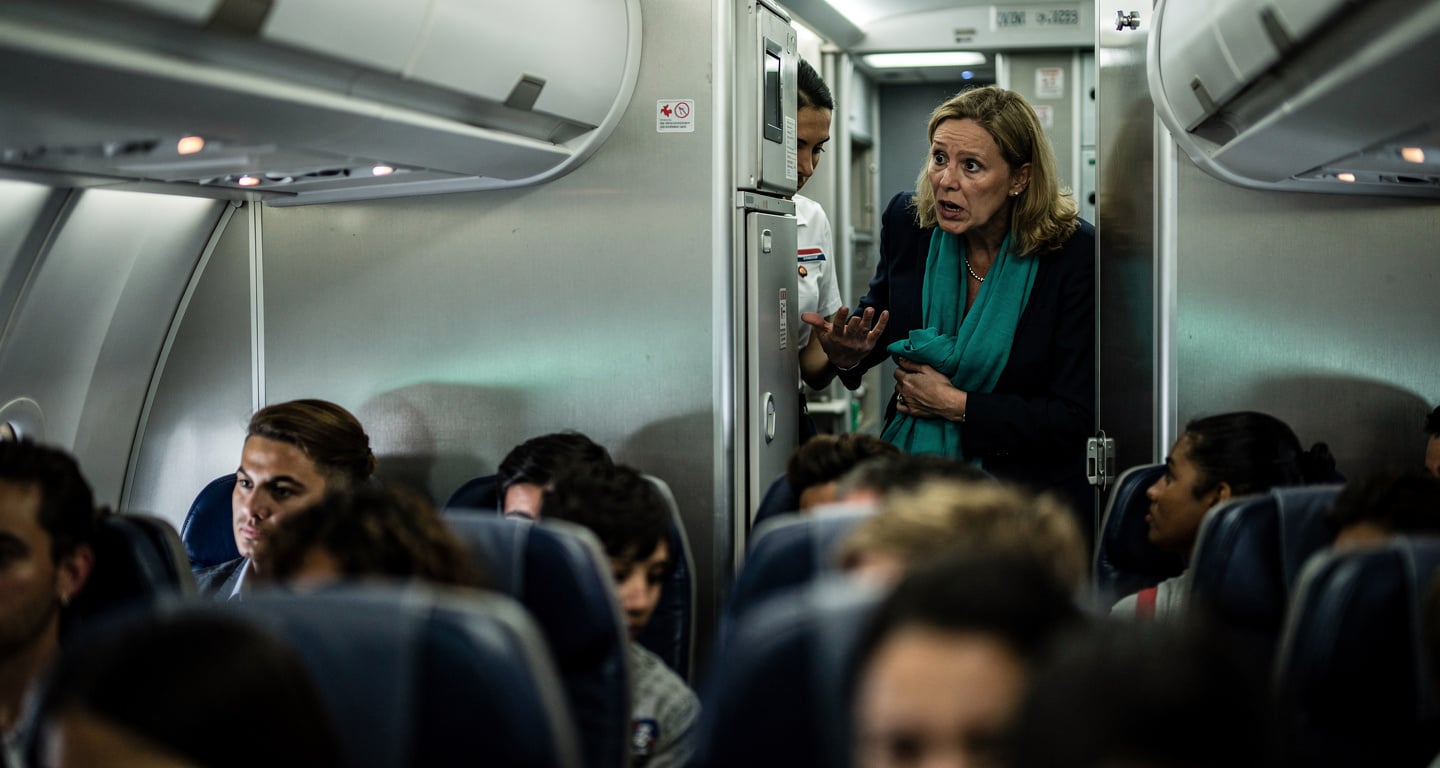
“We thought we would die. It was really scary.” That raw passenger account from inside Air India flight AI379 captures the chaos that unfolded on August 4, 2026, when the Airbus A320neo cruising from Phuket to Delhi suddenly lost 300 feet of altitude. Unbelted travellers were catapulted into the overhead bins and aisle, leaving 17 people injured — 13 passengers and 4 crew members — before the aircraft landed safely in the Indian capital.
The incident, still under investigation by India’s Directorate General of Civil Aviation, shines a stark light on the single most effective inflight protection: the fastened seatbelt. While the seatbelt sign was off and service had begun, the sudden jolt turned the cabin into a brief but violent scramble. Even a loosely worn belt, one safety expert noted, can mean the difference between walking off and being carried off.
For the 137 passengers and 8 crew aboard AI379, the flight from southeast Asia’s beach resorts ended in hospital beds. Four of the six flight attendants were hurt while working the aisles, highlighting the disproportionate risk crew face. Air India has promised full support for those affected and pledged to cooperate with investigators, but the event is already becoming a touchpoint for renewed safety conversations across the industry.
The details
The turbulence struck while AI379 was cruising at altitude. According to passenger accounts, the aircraft was travelling normally when a sudden altitude loss sent unbelted occupants into the ceiling. One passenger recalled seeing a family member’s head strike the overhead panel; another described a sister being thrown from her seat. “The flight attendants were panicking, and the pilot himself seemed rattled — you could hear the nervousness in his voice,” a traveller told local media.
The airline’s spokesperson stated: “Air India’s foremost priority remains the safety and well-being of its passengers and crew. We will continue to support those affected and their families and will work closely with the relevant authorities throughout the course of the investigation.” The carrier has not yet disclosed whether the seatbelt sign was illuminated at the time, though service was underway, implying it was off.
Severe turbulence injuries remain uncommon but not rare. A similar event on a Delta Air Lines flight over Wyoming last month saw 18 passengers hospitalised when the cabin jolted without warning after the seatbelt sign was off, according to NTSB findings. That pattern repeats here: the greatest danger lies in being unrestrained when sudden acceleration changes occur.
| Date | Event | Impact | Status |
|---|---|---|---|
| August 4, 2026 | Severe turbulence during cruise | 300-ft altitude loss; 17 injured | Flight landed safely |
| August 4, 2026 | Landing at Delhi | All injured transported to hospital | Medical evaluation underway |
| August 5, 2026 | Airline statement issued | 5 passengers discharged; 8+ passengers and 4 crew still treated | Ongoing support; DGCA investigation launched |
| TBD (weeks) | DGCA preliminary findings expected | Could trigger cabin-service protocol review | Watch for interim report |

Flight deals most people never see
Our AI monitors 150+ airlines for pricing anomalies that traditional search engines miss. Air Traveler Club members save $650 per trip per person on average: see how it works.
Each deal saves 40–80% vs. regular fares:

The value-add
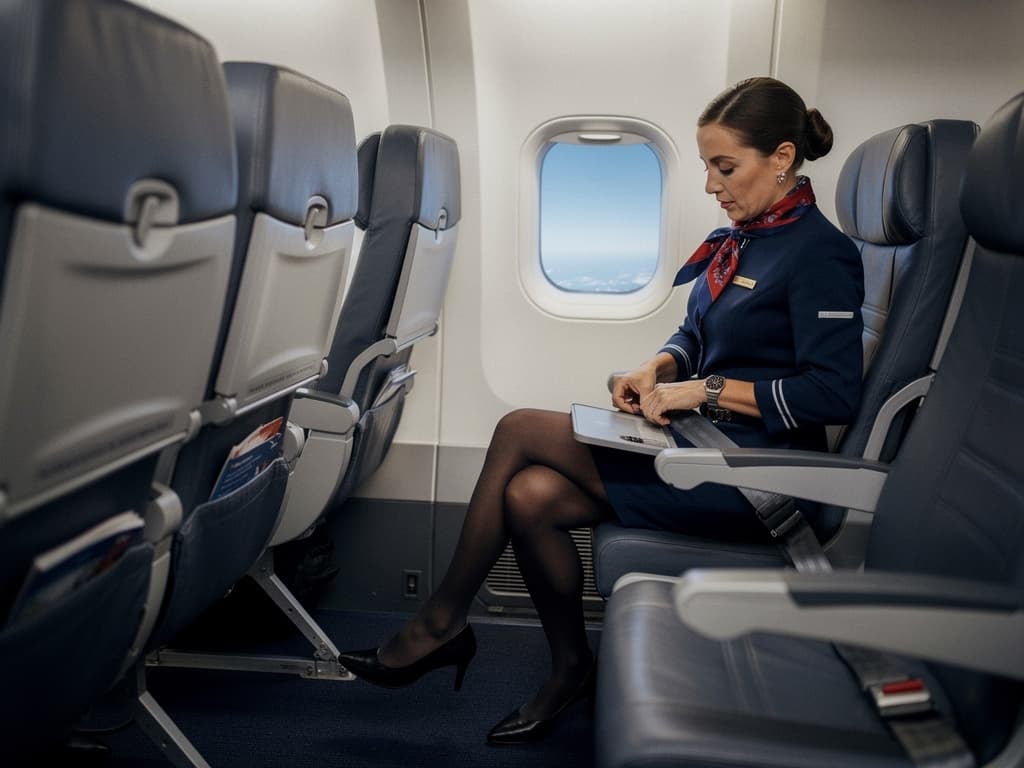
Beneath the passenger trauma lies a blunt lesson for even the most seasoned travellers: no cabin product, premium seat material, or loyalty status can substitute for a fastened belt. The four injured flight attendants underscore the structural risk — crew must move while belts are off, yet they remain the most vulnerable. For those booked in business class on India–Southeast Asia routes, the real insurance isn’t a lie-flat suite but the reflex to click the buckle whenever seated.
The absence of a blanket waiver from Air India means passengers affected by AI379 must proactively seek rebooking or medical support. Award ticket holders, especially those on Flying Returns redemptions, should verify if involuntary change rules apply. The airline’s public response, so far limited to a single statement, leaves travellers to navigate disruption on an individual basis — a reminder that operational transparency during crises can vary widely between carriers.
Protocol review likely as DGCA begins inquiry
The Directorate General of Civil Aviation is expected to examine meteorological data and crew actions in the coming weeks. Preliminary findings may arrive within 30 days. If investigators identify procedural gaps — such as insufficient advance warning or crew assessment of turbulence risk — Air India could tighten cabin-service protocols on tropical routes, restricting hot beverage service or requiring flight attendants to secure carts earlier when forecasts suggest unstable air.
For now, the practical, universal measure remains the simplest: keep the seatbelt fastened whenever you’re in your seat, even if the sign is off. The 1‑in‑1.2‑million‑departure injury rate means the risk is low, but without a belt, the consequences can be catastrophic. Watch for any DGCA interim report and a possible Air India operations memo outlining new crew response guidelines.
FAQ
What caused the severe turbulence on this Air India flight?
The specific atmospheric conditions are still under investigation, but sudden clear-air turbulence — frequently encountered at cruising altitude without visible warning — is the likely culprit. It occurs in cloudless skies and can affect even large airliners abruptly.
How often do turbulence injuries like this happen?
According to travel industry expert Gary Leff, turbulence causing injury occurs approximately once per 1.2 million departures. While rare, events like this highlight that severe incidents can happen without the usual storm cues, making seatbelt use critical.
What should passengers who were on board the flight do now?
Passengers should contact Air India’s customer service through its official support page for rebooking assistance, medical support coordination, or to file a claim. If the trip was charged to a premium credit card, review the issuer’s trip-interruption benefit guide to see if the disruption qualifies for coverage.
Read more