Summary
An Air India A320 flying from Phuket to Delhi on August 4 lost all three independent hydraulic systems and primary flight control for several seconds, causing a 300-foot altitude drop that injured 24 people. An Airbus preliminary analysis confirmed the rare systems collapse, which has triggered an official investigation by India’s Aircraft Accident Investigation Bureau.
A second Air India A320 aborted its Bangkok departure on August 13 with a hydraulic malfunction. The twin failures, now just nine days apart, place the carrier’s A320 fleet reliability under formal regulatory scrutiny while an unverified viral video of a broken business-class seat amplifies reputational risk among premium-cabin travelers.
A travel content creator paid $3,000 for an Air India business class seat and then filmed a flight attendant trying to fix a broken side panel. The video has been viewed 2.7 million times. For many, it is a social media curiosity. For Air India, it landed at the worst possible moment.
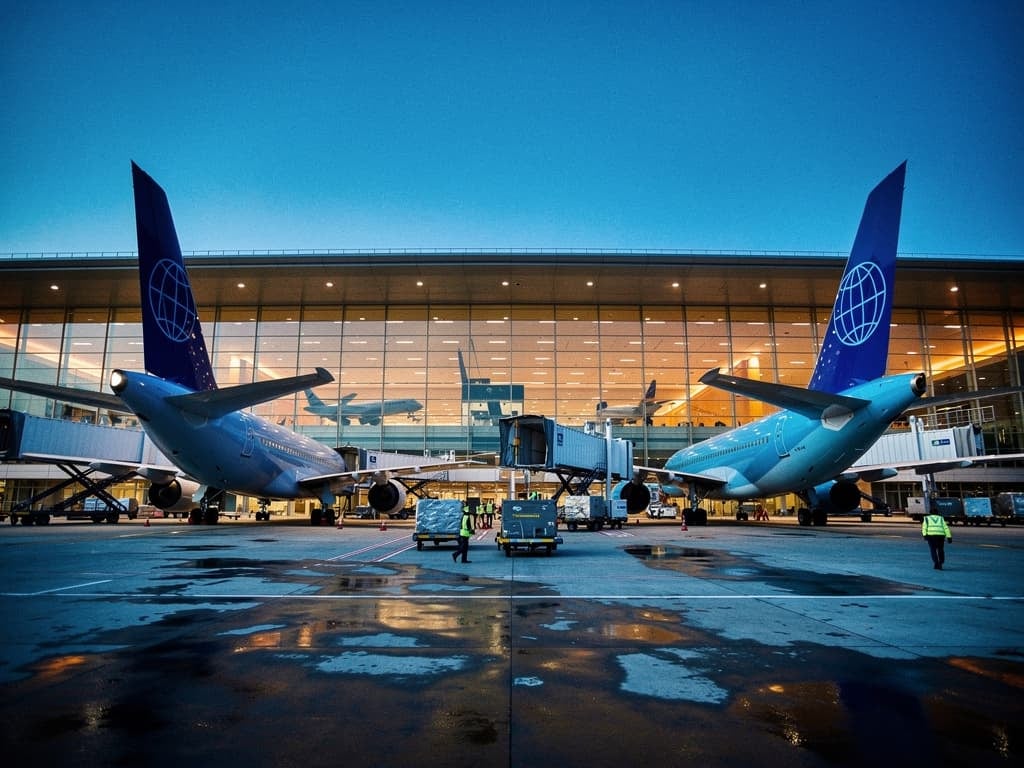
The carrier is already contending with something far more serious. On August 4, flight AI-378 from Phuket to Delhi experienced a sudden altitude loss of about 300 feet. The aircraft, an Airbus A320, temporarily lost all three independent hydraulic systems and primary flight control for several seconds. Twenty-four passengers and crew were injured. Airbus’s preliminary investigation, confirmed in regulatory filings, identified the scope of the failure. India’s Aircraft Accident Investigation Bureau has opened a formal inquiry.
Nine days later, a second Air India A320 on the Bangkok-New Delhi route aborted its takeoff after a hydraulic malfunction. The two events have concentrated attention on the A320 fleet that feeds Air India’s long-haul network through Delhi—precisely where the airline is trying to win back international business-class customers with refurbished cabins and a premium brand overhaul.
Two A320 hydraulic events in nine days
The August 4 event was not a routine turbulence encounter. Maintenance records indicate the aircraft logged three hydraulic low-pressure alerts within a single minute, followed by an autopilot disconnect. Airbus’s preliminary analysis concluded that the jet briefly lost all three independent hydraulic systems and primary flight control before handling was restored. The Directorate General of Civil Aviation classified it as a serious incident.
The second event, on August 13, involved a hydraulic malfunction that prompted the crew to abort takeoff at Bangkok. While less severe, its proximity to the Phuket-Delhi failure has sharpened the investigation’s focus. Indian authorities are conducting mandatory substance testing for the flight crew and a comprehensive technical examination of the August 4 aircraft.
The affected jets are part of Air India’s short- and medium-haul A320 operation, which many premium travelers use as a connector into Delhi before long-haul business-class travel. The possibility of a systemic issue—rather than an isolated technical coincidence—has not been ruled out.
| Date | Route | Event | Status |
|---|---|---|---|
| August 4, 2026 | Phuket–Delhi (AI-378) | Loss of all three hydraulic systems; 300-foot altitude drop; 24 injured | AAIB serious incident investigation active |
| August 13, 2026 | Bangkok–New Delhi | Takeoff aborted due to hydraulic malfunction | Under technical review |
| August 14, 2026 | N/A | Airbus preliminary finding confirms triple-system hydraulic loss on Phuket-Delhi flight | Investigation widening to fleet scope |

Flight deals most people never see
Our AI monitors 150+ airlines for pricing anomalies that traditional search engines miss. Air Traveler Club members save $650 per trip per person on average: see how it works.
Each deal saves 40–80% vs. regular fares:

When a broken seat panel collides with a loss-of-control probe
The viral seat video matters less for what it shows—an unverified claim about a loose side panel—than for what it represents. Air India is midway through a fleet and service overhaul that includes new or refreshed cabins on Airbus A350 and Boeing 787-9 aircraft, plus the integration of former Vistara A320-family jets. The premium product is central to the airline’s effort to compete for long-haul business-class demand against Gulf and Southeast Asian hubs. A cabin-quality complaint amplified across social media platforms lands as a reputational irritant at the precise moment the airline faces a genuine safety investigation.
For business-class travelers, these two stories pull in opposite directions. The seat video is a cabin-standards question. The hydraulic failures are an operational-reliability question. Together, they test whether Air India can deliver the consistency that premium-cabin bookings require. Air Traveler Club’s analysis of rising India business class costs underscores that travelers are already paying more for these routes—raising the stakes for a dependable front-cabin experience.
Recheck Delhi connections before ticketing
The twin hydraulic events introduce uncertainty for anyone booking premium itineraries that connect through Delhi on Air India A320-operated regional sectors. Until investigators clarify whether this is a maintenance pattern or an isolated coincidence, travelers should build in operational buffers.
- Check for aircraft swaps on A320 feeder flights. Same-day equipment changes are more likely while the fleet undergoes heightened technical scrutiny, and a swap could mean an older-configuration cabin without the premium product advertised.
- Monitor DGCA and AAIB interim findings. If investigators identify a common component or maintenance workflow across the two events, expect operational restrictions or airworthiness directives that could disrupt regional schedules.
- Compare connection options through non-Indian hubs. Gulf and Southeast Asian carriers offer more consistent short-haul premium cabins on feeder routes, and the current uncertainty tilts the value equation toward those alternatives for risk-averse business-class buyers.
- Watch for an Air India statement on the seat video. A public acknowledgment—or silence—will signal how the airline is managing premium-cabin perception during the investigation window.
Watch for the AAIB’s preliminary findings, expected within 30 days. If they point to a systemic hydraulic issue rather than two unrelated events, expect fleet-wide inspections and possible schedule disruptions on A320-operated routes by late September.
FAQ
Were the two Air India A320 hydraulic events connected?
Indian investigators are examining both events for commonality. The August 4 Phuket-Delhi flight lost all three hydraulic systems briefly in flight; the August 13 Bangkok incident involved a hydraulic malfunction on the ground. No official determination has been made yet on whether they share a component or maintenance workflow.
What does a triple hydraulic system loss mean on an A320?
The A320 has three independent hydraulic systems for redundancy. Losing all three simultaneously is an extremely rare event that removes primary flight-control authority, leaving pilots with only mechanical backup. Airbus’s preliminary finding on the Air India flight confirms the seriousness of the August 4 incident.
Should I avoid booking Air India business class on connecting itineraries through Delhi?
Not necessarily—the long-haul A350 and 787-9 products are improved. However, travelers on A320-operated feeder sectors should monitor for aircraft swaps and watch for any DGCA or AAIB interim findings that could affect regional schedules. Booking flexibility is advisable while the investigation is active.
Read more