Summary
Travelers transferring large credit card point sums, such as 230,000 points, to new Flying Blue accounts for award redemptions, particularly for family bookings, face a significant risk of fraud flags and account suspension. This is especially true for accounts less than 30 days old, with Chase Ultimate Rewards transfers being scrutinized more closely than Capital One, which often processes instantly.
While Flying Blue allows 72-hour award holds, points can become stuck if an account is flagged, jeopardizing confirmed itineraries. Proactive verification and immediate contact with Flying Blue support are critical to mitigate these risks and secure your summer travel plans.
A common, high-stakes scenario is unfolding for award travelers: transferring significant credit card points to a newly opened loyalty account, only to encounter fraud flags that threaten to derail carefully planned trips. This situation is particularly acute with Flying Blue, the loyalty program for Air France and KLM, where new accounts, especially those less than a month old, are under heightened scrutiny following large point transfers from partners like Chase and American Express.
The immediate concern for many is the potential for legitimate redemptions to be caught in a fraud dragnet, leaving points inaccessible and award holds expiring. For a family of four attempting to book US-Europe economy awards totaling 230,000 points, the stakes are exceptionally high, with a 72-hour hold window dictating urgent action.
This intelligence is critical for anyone leveraging credit card points for international travel, particularly when booking for multiple passengers or using a recently established loyalty account. The risk extends beyond mere inconvenience; it can mean the loss of valuable award space and the freezing of hard-earned points.
Understanding Flying Blue’s fraud flagging
Flying Blue has a documented history of flagging new accounts, particularly those in the US, that receive large point transfers from credit card partners like Chase Ultimate Rewards, Amex Membership Rewards, and Capital One Miles. While transfers are generally instant, new accounts often experience delays or trigger fraud alerts, even for legitimate redemptions. This scrutiny intensified in 2023-2024, with some legitimate accounts being shut down post-redemption, leading to points being frozen for weeks.
The program’s terms and conditions allow for such actions, especially when accounts show no prior flight activity and are used solely for award transfers. If an account is flagged, tickets may initially issue but then require in-person validation at an Air France counter, or points can remain inaccessible pending a lengthy review. This creates a precarious situation for travelers relying on these points for time-sensitive bookings.
Our analysis at Air Traveler Club explores the strategic implications of such program policies.
| Credit Card Program | Transfer Ratio | Typical Transfer Time | New Account Risk |
|---|---|---|---|
| Chase Ultimate Rewards | 1:1 | Instant (often flagged) | High for large transfers |
| Amex Membership Rewards | 1:1 | Instant (often flagged) | High for large transfers |
| Capital One Miles | 1:1 | Instant (sometimes 24 hrs) | Moderate, less frequent flags |

Flight deals most people never see
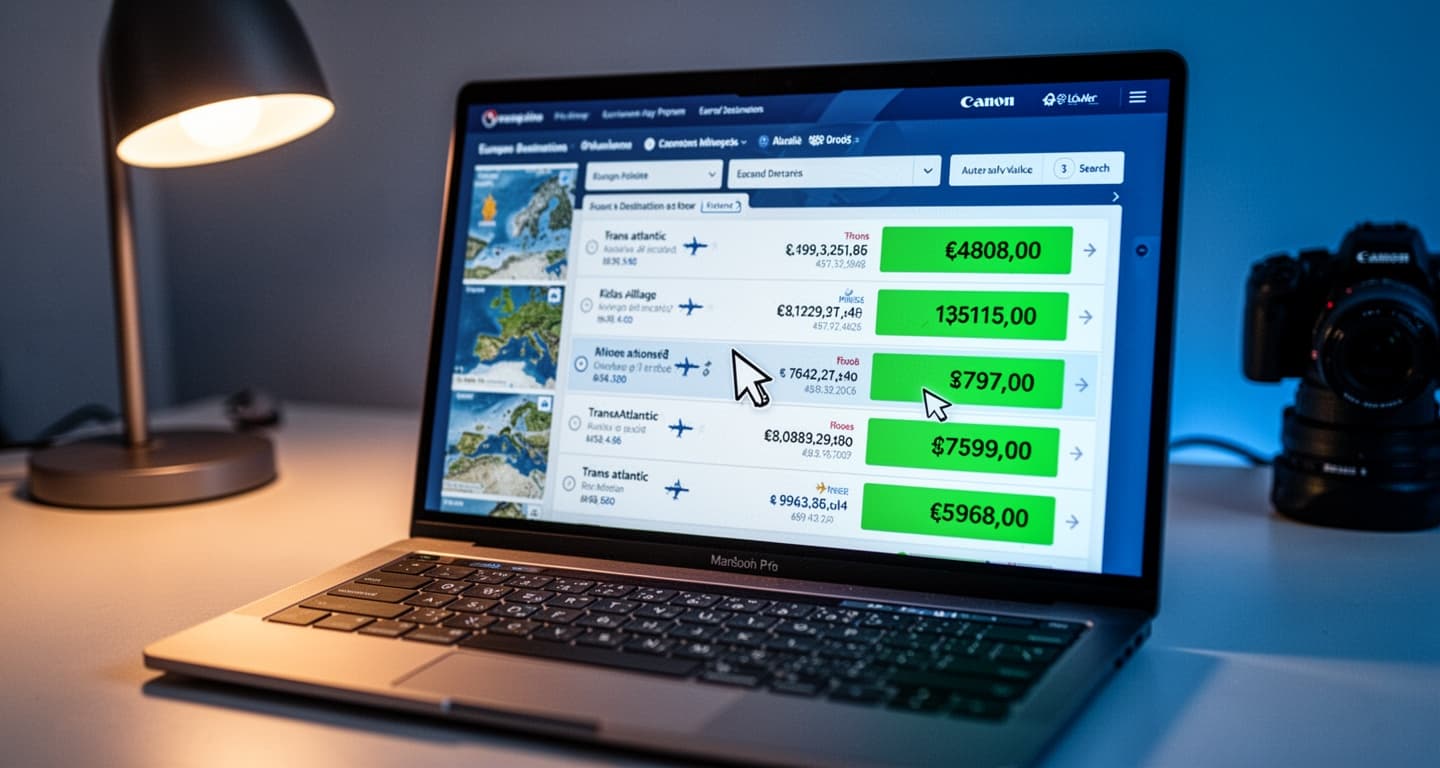
Our AI monitors 150+ airlines for pricing anomalies that traditional search engines miss. Air Traveler Club members save $650 per trip per person on average: see how it works.
Each deal saves 40–80% vs. regular fares:

Insider analysis on fraud flags
The aggressive fraud flagging by Flying Blue on new US-based accounts, particularly after large transfers, is a known industry issue. While Flying Blue has clarified that transfers for awards are allowed, the program’s internal logic often prioritizes accounts with established flight history. This means legitimate travelers, especially those new to the program, are disproportionately affected.
The pricing for Flying Blue economy awards, often under 20,000 points one-way for US-Europe routes, positions them as a strong value proposition, competitive with or even superior to dynamic pricing from programs like United MileagePlus. However, this value is only accessible if the points transfer and account verification process is navigated successfully. The program’s ability to offer direct premium economy access on Air France and KLM is a key differentiator, but it requires overcoming these initial hurdles.
Strategic guidance for securing your award booking
Given the immediate 72-hour hold and the risk of fraud flags, proactive measures are essential for securing your Flying Blue award booking.
- Verify Account Details: Ensure your Flying Blue profile is complete and accurate. Upload your passport or other government-issued ID via the profile management section immediately.
- Contact Flying Blue Proactively: Call the Flying Blue US line at +1-800-237-2744. Inform them of your recent account opening, the pending Chase transfer, and your family booking. Mentioning the family booking in your name can help establish legitimacy.
- Extend Award Hold: Request an extension on your 72-hour award hold while the Chase transfer processes and any potential fraud review is initiated.
- Use Your Own Credit Card: Be prepared to use your own credit card for taxes and fees on the award tickets. This adds another layer of verification.
- Document Everything: Keep a detailed log of all calls, including agent names, reference numbers, and timestamps. Screenshot any online correspondence or profile updates.
Watch: Monitor your Flying Blue account closely for any status changes or notifications regarding your points transfer or award hold. Be prepared for follow-up verification requests.
FAQ
How common are fraud flags for new Flying Blue accounts?
Fraud flags are common for new Flying Blue accounts, especially those less than 30 days old, receiving large point transfers from credit card partners like Chase or Amex. While not every transfer is flagged, the risk is significant enough to warrant proactive mitigation.
What happens if my account is flagged after a points transfer?
If your account is flagged, points may be frozen, and award tickets, even if initially issued, could be subject to cancellation or require in-person validation at an Air France counter. Resolution typically involves direct communication with Flying Blue’s fraud department and providing identity verification.
Can I prevent a fraud flag on my new Flying Blue account?
While you cannot guarantee prevention, you can significantly reduce the risk by completing your profile with ID uploads, proactively contacting Flying Blue to explain your transfer and booking, and using your own credit card for taxes and fees. Establishing some flight history with Air France or KLM before large transfers also helps.
Read more