Summary
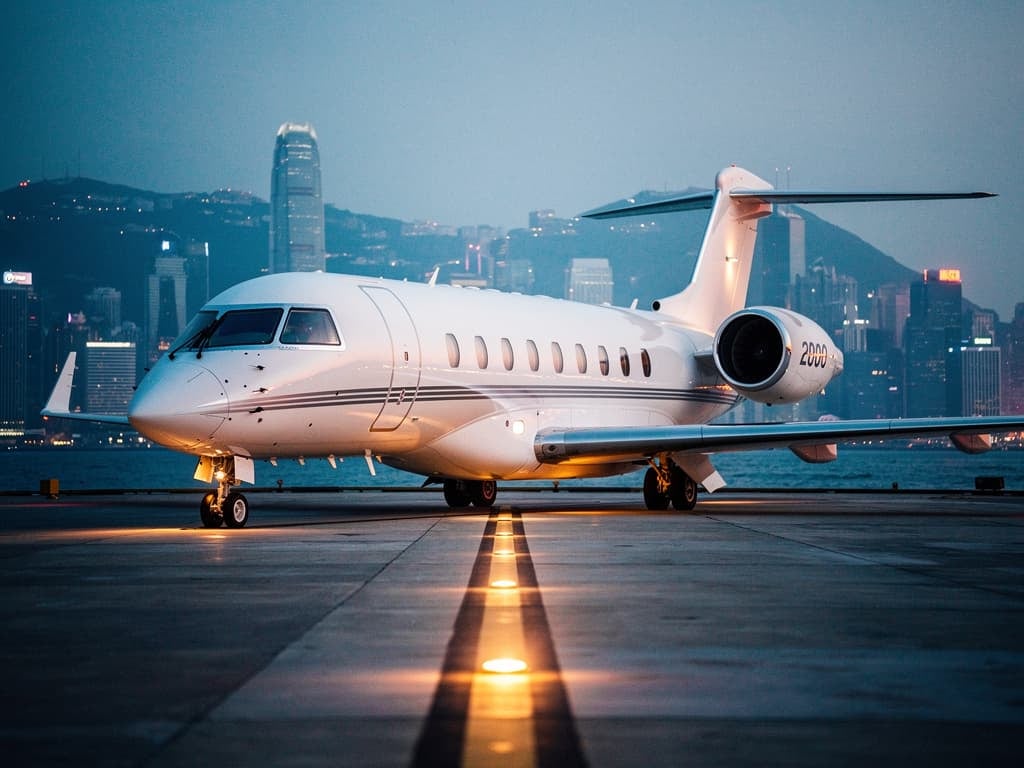
Bombardier’s new Global 8000 business jet, now in service, has set a transatlantic speed record and cemented a deliberate strategy: near-supersonic performance without crossing the sound barrier. CEO Éric Martel told TIKET2.0 that true supersonic flight remains “a bit of a niche” and certification is “another level” of cost, making the $78 million, Mach 0.95 flagship the pragmatic speed king of private aviation.
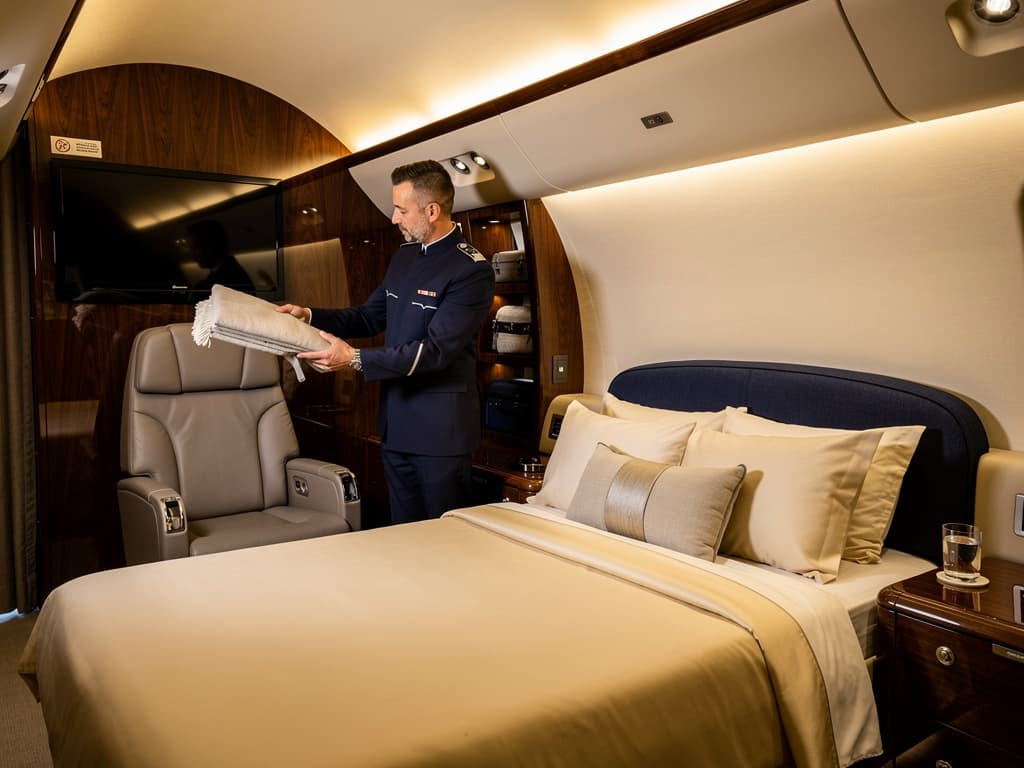
Yet the aircraft’s full global deployment awaits FAA and EASA certification, and early adoption is still ramping up. With an 8,000‑nautical‑mile range and a cabin altitude of just 2,691 feet—the lowest of any business jet—the Global 8000 is redefining what affluent travelers can expect while supersonic startups like Boom Supersonic work through their own hurdles.
The Global 8000’s airshow debut at Farnborough in late July 2026 followed a jaw-dropping proving flight: 8 hours and 46 minutes from Los Angeles to London, the fastest-ever crossing between the two cities. The feat, lobbed onto an aviation world still fixated on sonic‑boom nostalgia, delivered a blunt message: the business‑jet market doesn’t need to break the sound barrier to save time.
“Flying supersonic would be a bit of a niche,” Martel said in an exclusive conversation with TIKET2.0 at the show. “It would be very expensive for certification—it’s another level.” His chief engineer, Stephen McCullough, drove the point home: “To go beyond the speed of sound, you actually need quite a lot of thrust to go beyond it.”
The Canadian airframer is instead betting that wealthy owners and charter fleets will pay a premium for an aircraft that gets close enough to the Mach 1 boundary without the afterburning engine complexity and eye‑watering operating costs that grounded Concorde two decades ago. McCullough, a 37‑year Bombardier veteran, recalled Concorde’s four‑engine afterburner setup, its steep delta‑wing landing profile, and the droop nose that pilots needed simply to see the runway—all compromises that the Global 8000 sidesteps entirely.
Boom Supersonic’s test aircraft did break the sound barrier in January 2026 without an audible ground‑level sonic boom, and President Trump later signed an executive order lifting the US overland supersonic ban. But Bombardier’s stance, backed by a fleet that already includes confirmed deliveries, suggests that the real speed race in private aviation will stay sub‑supersonic for years to come.
From LA to London in under 9 hours
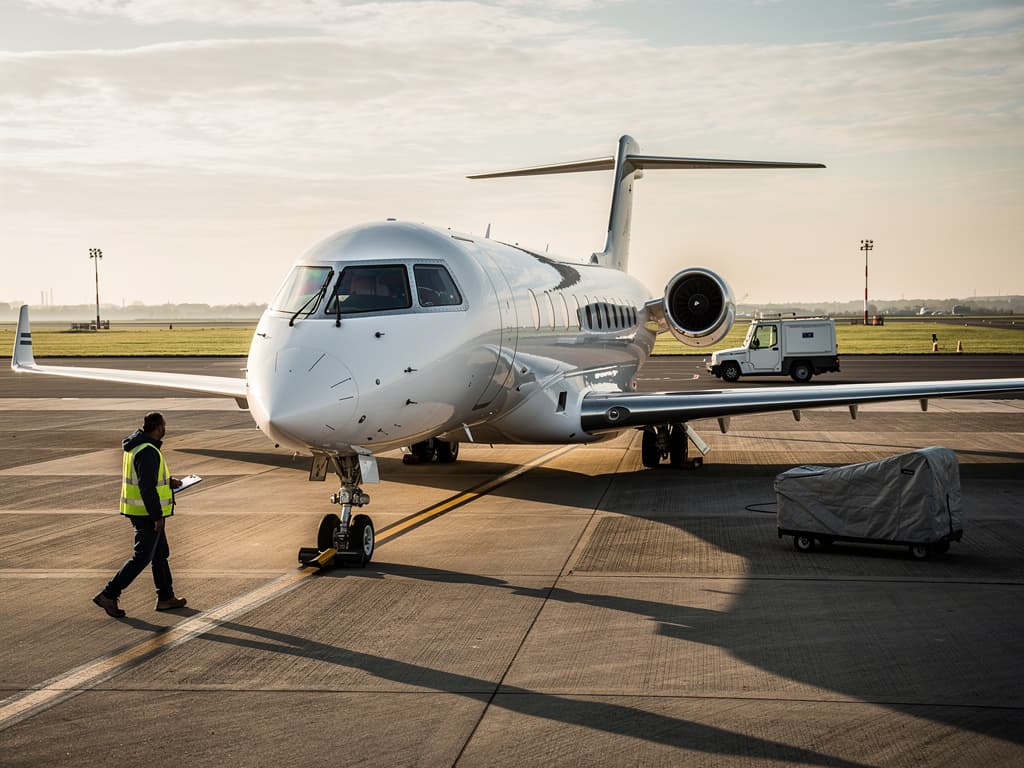
The record transatlantic sprint was no mere marketing stunt. The Global 8000 departed Van Nuys and touched down at Farnborough, shaving roughly 90 minutes off typical business‑jet schedules and demonstrating the aircraft’s ability to hold Mach 0.95 for extended stretches. Bombardier confirmed the aircraft entered service in December 2025 in a formal entry‑into‑service announcement, noting the 8,000‑nautical‑mile range and the cabin‑altitude figure that has become a core selling point.
To obtain certification, Bombardier had to prove structural integrity for supersonic conditions, a task that required a NASA F‑18 to fly chase. That process, McCullough explained, underscores just how punishing the jump to supersonic would be for routine operations. Even so, the jet now stands as the fastest civilian
Read more