Summary
JFK’s New Terminal One has selected Tata Consultancy Services as its strategic technology partner to build an AI-powered digital infrastructure that will streamline passenger processing, baggage handling, and cybersecurity across the terminal’s 2.6 million square feet. The partnership, part of the Port Authority’s $19 billion JFK transformation, will deploy TCS’s Cognix and ignio platforms to give airlines end-to-end operational visibility and lower costs.
The first 14 gates open in 2026, with over 20 international carriers—including Korean Air, Qatar Airways, and Turkish Airlines—already confirmed. Premium passengers on these airlines can expect AI-optimized processing and personalized wayfinding as soon as Phase A launches.
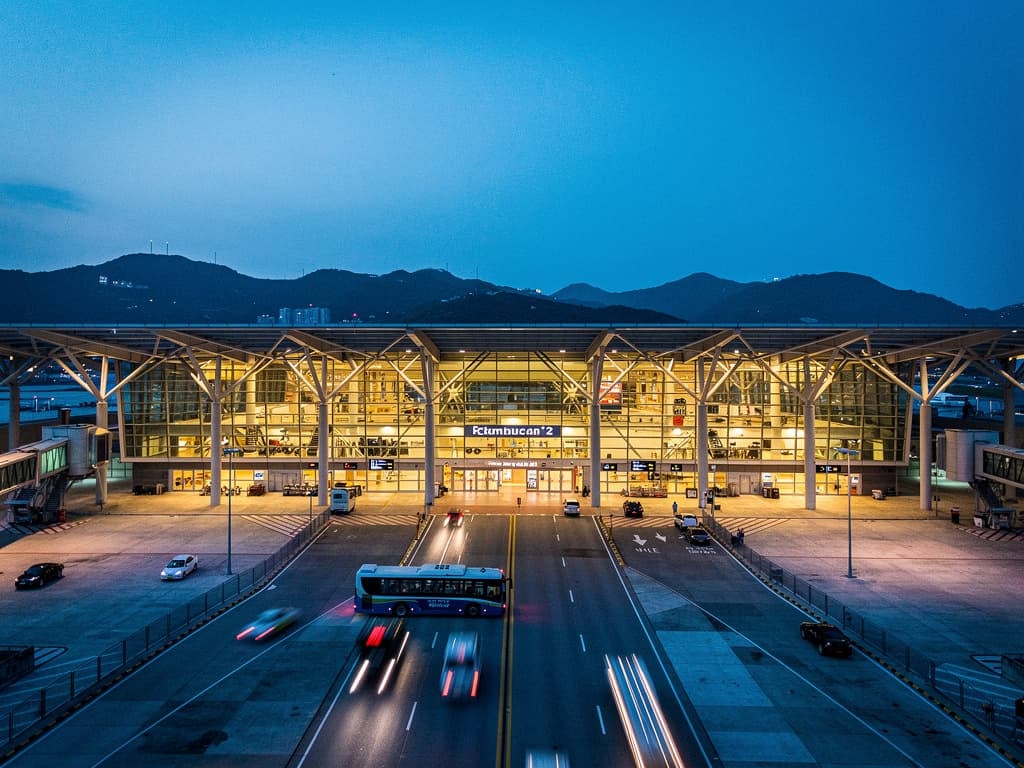
The New Terminal One at JFK is embedding artificial intelligence into its very foundation, a move that will redefine what premium ground experiences look like at a major U.S. gateway. Rather than retrofitting smart technology into an aging facility, the terminal is being built from the ground up as a digitally native environment—one where passenger flow, baggage tracking, and security are managed proactively through a single AI layer.
That layer comes courtesy of Tata Consultancy Services, which will deploy its Cognix and ignio platforms to give the terminal and its partner airlines real-time visibility into every operational touchpoint. The result, according to terminal CEO Jennifer Aument, is a “transformational guest experience” that sets new standards for airport innovation. For the 20-plus international airlines that have already signed on—including China Airlines, Air Europa, and Etihad—the promise is lower operating costs and a smoother journey for their premium cabins.
The terminal’s first phase will deliver 14 gates in 2026, with the full 23-gate configuration—22 of them capable of handling wide-body aircraft—expected between 2028 and 2030. That scale positions New Terminal One as JFK’s largest terminal and a critical hub for long-haul premium demand, particularly on Asia-Pacific and Middle Eastern routes. For business and first-class travelers, the AI integration means shorter queues, predictive baggage handling, and personalized wayfinding from curb to gate, all without the friction that plagues legacy terminals.
The details
The partnership covers every technology system inside the terminal: passenger processing, AI-driven IT operations, infrastructure management, enterprise application support, and cybersecurity. TCS’s Cognix platform will ingest data from sensors, cameras, and airline systems to create a unified operational picture, while ignio automates incident response and resource allocation. The terminal operator confirmed that the goal is end-to-end visibility—from check-in to baggage claim—enabling proactive management rather than reactive firefighting.
Amit Bajaj, President of TCS North America, described airports evolving into “dynamic consumer ecosystems” where operations, hospitality, and retail converge in real time. The New Terminal One’s digital backbone will support not just airline efficiency but also experiential retail and personalized engagement, a model that mirrors what Singapore Changi and Dubai International have pioneered in recent years. The Port Authority’s $19 billion broader transformation of JFK includes two new terminals, two expanded ones, a new ground transportation center, and a simplified roadway network—all designed to elevate the airport’s global standing.
Construction on the terminal began in September 2022 and remains on schedule for a mid-2026 opening of the first phase. A Port Authority construction portal tracks real-time progress, confirming that the initial 14 gates will serve the first wave of partner airlines, with Air Europa already slated to relocate in 2026.
| Phase | Target Date | Gates | Key Airlines | Impact for Premium Travelers |
|---|---|---|---|---|
| Phase A | Mid-2026 | 14 | Air Europa, Korean Air, Qatar Airways, Turkish Airlines, China Airlines, and others | AI-optimized check-in, baggage handling, and wayfinding; reduced queue times |
| Phase B | 2028–2030 | 23 (22 wide-body) | All 20+ partner airlines fully operational | Full terminal-wide AI integration; expanded lounge and retail experiences |
| Full completion | 2030 | 23 | All contracted international carriers | 2.6M sq ft terminal with seamless curb-to-gate premium journey |

Flight deals most people never see
Our AI monitors 150+ airlines for pricing anomalies that traditional search engines miss. Air Traveler Club members save $650 per trip per person on average: see how it works.
Each deal saves 40–80% vs. regular fares:

The value-add
What makes this partnership significant isn’t just the technology—it’s the timing. By baking AI into the terminal’s DNA from day one, JFK avoids the costly, disruptive retrofits that have plagued other hubs. The result is a terminal that can scale its intelligence as passenger volumes grow, rather than playing catch-up. For premium travelers, that translates into a consistently low-friction experience, whether they’re connecting from a Korean Air A380 or a Qatar Airways Qsuite-equipped 777.
Air Traveler Club’s coverage of the terminal’s accessibility infrastructure reveals another layer: three dedicated PRA lounges and a sensory room operated by Wilson James, serving all 20+ partner airlines. Combined with TCS’s AI layer, the terminal is building an operational model that prioritizes both efficiency and inclusivity—a rare combination in U.S. aviation. The operational cost savings for airlines could, by 2027, translate into modest fare reductions on long-haul routes, though the immediate premium benefit is time saved and stress avoided.
What the TCS partnership means for your JFK transit strategy
The terminal’s phased opening and AI infrastructure create clear planning opportunities for premium travelers who want to be among the first to experience the new facility—and avoid the chaos of JFK’s older terminals.
- Monitor partner airline booking pages now. Korean Air, Qatar Airways, and Turkish Airlines will shift operations as soon as Phase A opens. Award space on these carriers for late 2026 and 2027 long-haul routes may appear earlier than usual as they align schedules with the new terminal.
- Prioritize airlines confirmed for Phase A. Air Europa relocates in 2026, and other carriers like China Airlines will follow. Booking with these airlines ensures you’ll be among the first to use the AI-optimized processing, even before the terminal reaches full scale.
- Check the Port Authority’s construction portal for real-time updates. The official JFK Terminal 1 page will confirm exact opening dates and airline move-in timelines—crucial for timing your bookings to coincide with the new facility.
- Don’t overlook connecting itineraries. If you’re flying a partner airline into JFK from Asia or the Middle East, the terminal’s AI-driven baggage handling and wayfinding will reduce misconnect risk, making tighter connections more viable.
Watch for the Port Authority’s announcement of the exact Phase A opening date—if confirmed before June 2026, premium travelers on partner airlines can expect AI-optimized processing and personalized wayfinding by Q3 2026, with full terminal-wide integration following by the end of the decade.
FAQ
When will the New Terminal One at JFK open?
The first phase with 14 gates is scheduled to open in mid-2026. The full 23-gate terminal, including 22 wide-body gates, is expected to be completed between 2028 and 2030.
Which airlines will operate from the new terminal?
Over 20 international carriers have already signed on, including Korean Air, Qatar Airways, Turkish Airlines, Air Europa, China Airlines, Etihad, and others. Air Europa will relocate in 2026, with additional airlines moving in as phases open.
How will AI improve the passenger experience?
TCS’s Cognix and ignio platforms will provide real-time visibility into passenger flow, baggage handling, and security, enabling proactive management. For travelers, this means shorter queues, predictive baggage tracking, and personalized wayfinding—especially beneficial for premium cabins.
Do I need elite status to access the new terminal?
No. Access is tied to your airline ticket. Any passenger flying with a partner airline will use the terminal. However, business and first-class travelers will benefit most from AI-optimized processing and reduced friction points.
Read more