Summary
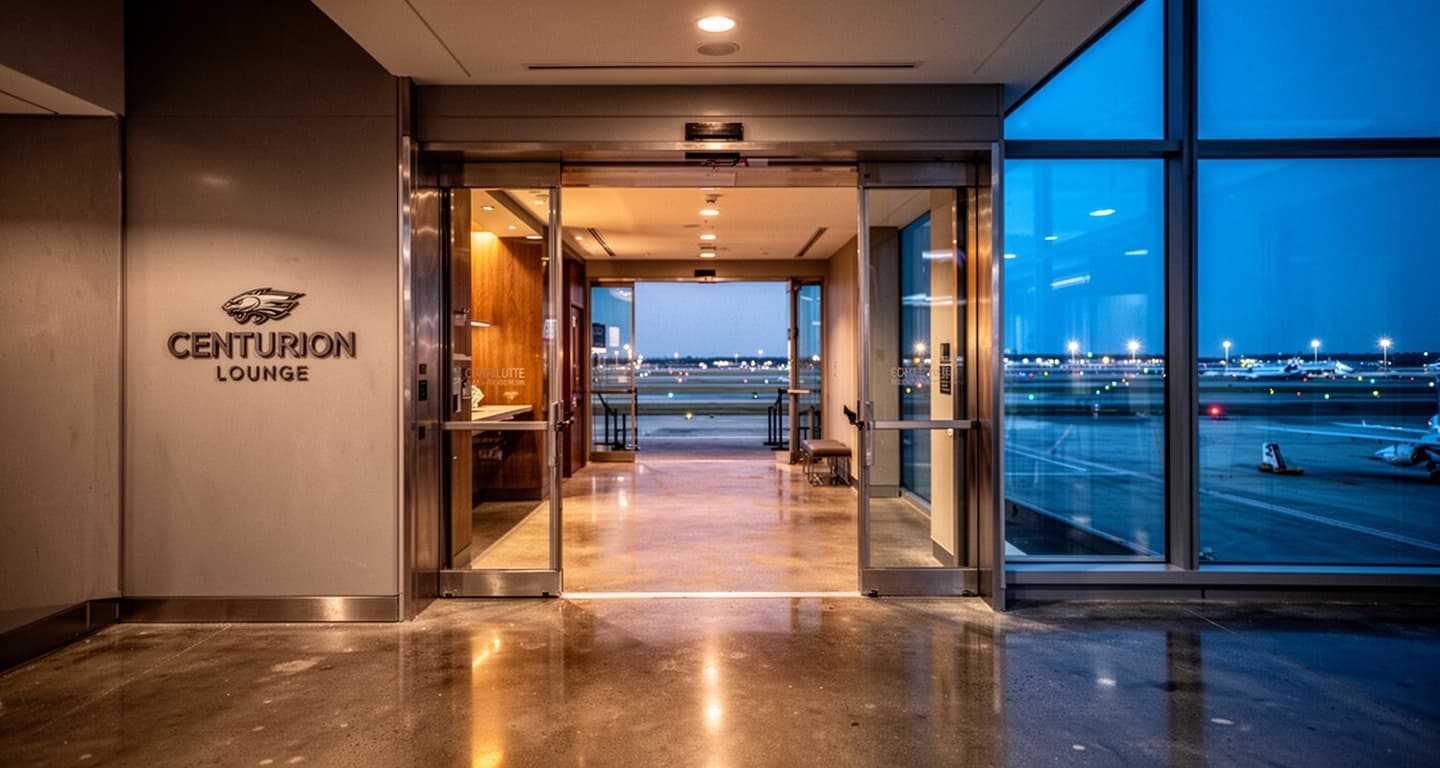
American Express opened its new Centurion Lounge at Terminal 1, Indira Gandhi International Airport on March 30, 2026, replacing the Terminal 3 location closed in January due to airport terminal reshaping. The lounge features bespoke Indian artworks, a quiet room, and a dedicated Centurion zone at Level 4 near Gate 2, accessible to Platinum Metal Card and Centurion Card holders flying domestic from Delhi with same-day boarding passes.
Capacity limits apply, mirroring the 35-seat constraint of the previous T3 lounge. Early booking on IndiGo or Air India Express domestic flights maximizes access before overcrowding sets in.
American Express has restored premium lounge access at Delhi Airport after a three-month gap, launching a new Centurion Lounge at Terminal 1 that targets the domestic travel hub dominated by IndiGo’s operations. The move follows GMR’s forced closure of the Terminal 3 lounge in January to accommodate international expansion — a landlord-driven disruption that left Amex cardholders without their signature lounge experience at India’s busiest airport.
The Terminal 1D location positions Amex squarely in the domestic premium segment, where low-cost carriers command 80% market share but increasingly offer business-class fares. For cardholders flying routes like Delhi-Mumbai or Delhi-Bangalore, this fills a gap that Plaza Premium and basic airline lounges couldn’t match in exclusivity.
The lounge sits at Level 4 in the Security Hold Area near Gate 2, featuring commissioned Indian Batik artworks and amenities that mirror the global Centurion standard: quiet rooms, changing facilities, and a separate zone for Centurion cardholders. It’s a deliberate signal that Amex prioritizes high-spend customers over airline elite status in India’s fragmented loyalty landscape.
What the Terminal 1 location offers cardholders
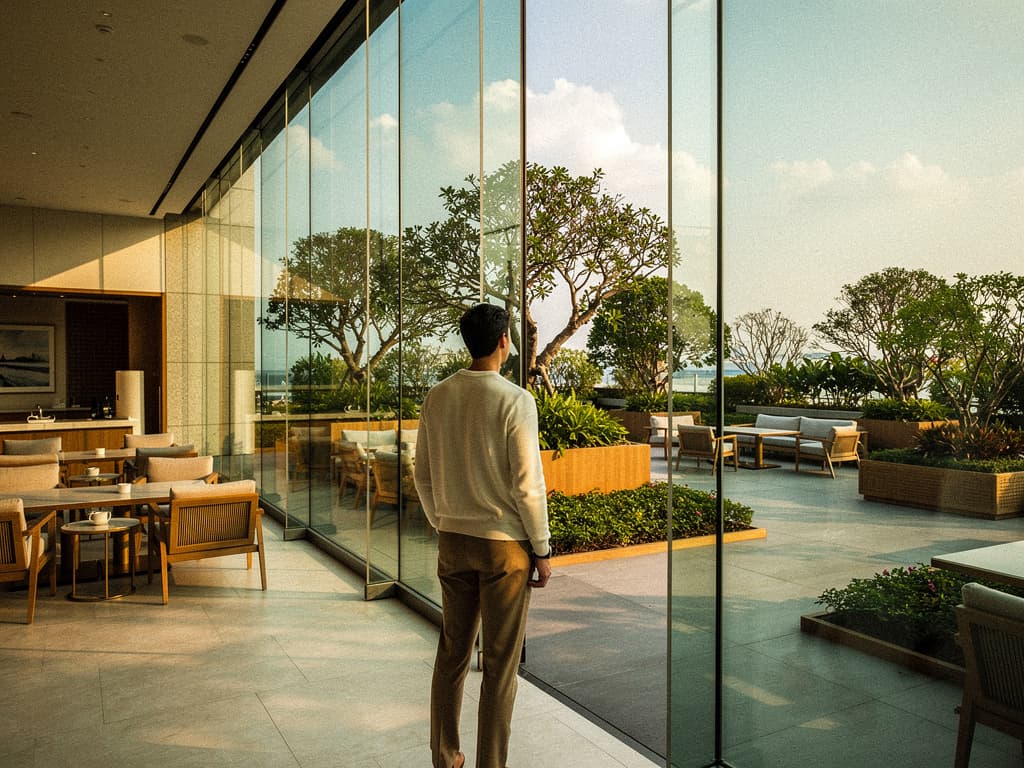
The new lounge replicates the ultra-premium positioning Amex established at Terminal 3 in 2021, but adapts to Terminal 1’s domestic-only operations. According to the official announcement, the space includes bespoke artworks celebrating Indian craftsmanship, a quiet room for work or rest, and dedicated changing and nursing facilities — amenities absent from most domestic airport lounges in India.
The Centurion-exclusive zone separates the highest-tier cardholders from Platinum members, maintaining the hierarchy Amex uses globally. This matters in Delhi, where the previous T3 lounge’s 35-seat capacity frequently hit limits during morning departure banks.
| Lounge | Access method | Key amenities | Capacity constraints |
|---|---|---|---|
| Centurion Lounge T1 | Amex Platinum/Centurion cards | Bespoke art, quiet room, Centurion zone | Limited, similar to T3’s 35 seats |
| Plaza Premium T1 | Priority Pass, credit cards | Buffet, showers, standard seating | High traffic, frequent crowding |
| IndiGo Royale Lounges | Business fare tickets | Basic snacks, seating | Moderate, tied to flight schedule |
| Air India domestic lounges | Premium tickets, Star Alliance Gold | Hot meals, business center | Variable by location |

Flight deals most people never see
Our AI monitors 150+ airlines for pricing anomalies that traditional search engines miss. Air Traveler Club members save $650 per trip per person on average: see how it works.
Each deal saves 40–80% vs. regular fares:

Why Terminal 1 matters for Amex’s India strategy
The shift from Terminal 3 to Terminal 1 wasn’t voluntary — GMR’s terminal reshaping for international operations forced the closure. But the relocation reveals Amex’s priorities: Terminal 1 handles the bulk of Delhi’s domestic traffic, where IndiGo operates the majority of flights and increasingly sells business-class fares to corporate travelers who hold premium credit cards.
This contrasts with the Terminal 3 lounge, which served a smaller domestic passenger base and faced competition from airline-operated lounges with broader alliance access. Terminal 1’s low-cost carrier dominance means fewer competing premium lounges, giving Amex a clearer value proposition for cardholders who might otherwise settle for Plaza Premium’s crowded buffet lines.
The positioning also hedges against airline loyalty program volatility in India, where frequent flyer programs lack the transfer partnerships and elite benefits common in North America or Europe. By anchoring access to card spend rather than flight activity, Amex captures high-value customers regardless of their airline choice — critical in a market where IndiGo’s no-frills model dominates but offers minimal loyalty rewards.
How to maximize access before capacity tightens
The lounge’s capacity constraints — likely similar to the previous 35-seat Terminal 3 location — mean early adoption offers the best experience before word spreads and morning departure banks fill the space.
- Book early domestic departures: The lounge operates within the Security Hold Area, accessible only after clearing security with a same-day boarding pass. Morning flights on IndiGo or Air India Express to Mumbai, Bangalore, or Hyderabad offer the longest dwell time before crowding peaks.
- Verify card eligibility before travel: Only Platinum Metal and Centurion cards qualify — standard Platinum or Gold cards won’t grant access. International cardholders should confirm their specific card product meets India lounge access policies.
- Plan for guest limits: Two guests per cardholder plus children under 12 means families can access together, but larger groups will face restrictions. Centurion cardholders gain exclusive zone access, worth the annual fee for frequent Delhi travelers.
- Monitor capacity during peak hours: If the lounge reaches capacity, staff will turn away eligible cardholders — a common occurrence at the old T3 location during 6-9 AM departures. Arriving 90 minutes before boarding maximizes lounge time while avoiding the rush.
Watch: Amex’s announcement of a Terminal 3 international lounge reopening will signal whether the company plans full Delhi coverage or remains Terminal 1-focused, affecting strategy for premium travelers connecting through DEL on long-haul routes.
FAQ
Can Priority Pass cardholders access the new Centurion Lounge at Delhi Terminal 1?
No. The Centurion Lounge at Terminal 1 is exclusively for American Express Platinum Metal Card and Centurion Card holders. Priority Pass, DragonPass, and airline elite status do not grant access. Plaza Premium lounges at Terminal 1 remain the primary option for Priority Pass members.
Does the lounge serve international flights from Terminal 1?
No. The lounge is located in Terminal 1D’s domestic Security Hold Area and requires a same-day domestic boarding pass for access. International flights operate from Terminal 3 at Delhi Airport, where Amex closed its previous Centurion Lounge in January 2026 due to terminal reshaping.
What happens if the lounge reaches capacity when I arrive?
Staff will turn away eligible cardholders once capacity limits are reached, similar to the previous Terminal 3 lounge’s 35-seat constraint. Arriving 90 minutes before boarding during off-peak hours (avoiding 6-9 AM departure banks) maximizes access likelihood. No reservations or waitlist system has been announced.
Will Amex reopen a lounge at Terminal 3 for international travelers?
Not confirmed. GMR closed the Terminal 3 Centurion Lounge in January 2026 to accommodate international terminal expansion. If GMR completes reshaping by mid-2026, Amex may announce a new Terminal 3 international lounge, but no timeline has been published. Monitor Amex’s official lounge directory for updates.
Read more