Summary
Ryanair chief executive Michael O’Leary issued a video apology on September 18 after describing competitor airlines as “high-fare rapists” — a phrase he had defended as “absolutely” appropriate just 10 days earlier. The reversal followed sustained condemnation from rape crisis centres, UK and Irish ministers, and survivor advocacy groups.
The apology, posted to YouTube, came only after O’Leary initially dismissed calls to retract the remark as “false and defamatory.” The Dublin Rape Crisis Centre had offered free training on sexual violence, which he refused before the about-face.
A corporate reputation crisis that began with a provocative press conference in Dublin has forced one of aviation’s most combative chief executives into a rare public retreat. Michael O’Leary, who built Ryanair on a foundation of headline-grabbing rhetoric, used the term “high-fare rapists” to describe British Airways, Lufthansa, and Aer Lingus during a pre-AGM media event. The backlash was immediate and crossed the usual boundaries of airline sparring.
Within hours, survivor-support organisations and senior politicians in Ireland and the United Kingdom had condemned the language. UK Transport Secretary Heidi Alexander said the airline would have lost the confidence of women who had experienced sexual assault. Ireland’s deputy premier Simon Harris called the remarks “clearly inappropriate.” The Dublin Rape Crisis Centre demanded a swift apology and offered training on the impact of sexual violence. O’Leary’s initial response was defiance: he labelled the centre’s criticism “false and defamatory” and insisted he would not apologise.
That stance held for ten days. Then, on September 18, a video appeared on Ryanair’s YouTube channel. In it, O’Leary said he had come to realise the word had caused “wider considerable upset and offence,” especially to victims and survivors. “I want to apologise sincerely and unreservedly,” he said. “I am truly sorry.”
The episode marks a significant moment for Europe’s largest low-cost carrier. Ryanair’s brand has long thrived on O’Leary’s pugnacious style, but this controversy drew in actors — rape crisis centres, cabinet ministers, a union representing its own cabin crew — that turned a fare-war soundbite into a test of corporate accountability. For the millions of passengers who fly Ryanair each year, the question now is whether the apology signals a lasting shift in tone or merely a tactical retreat.
The timeline of a reputation crisis
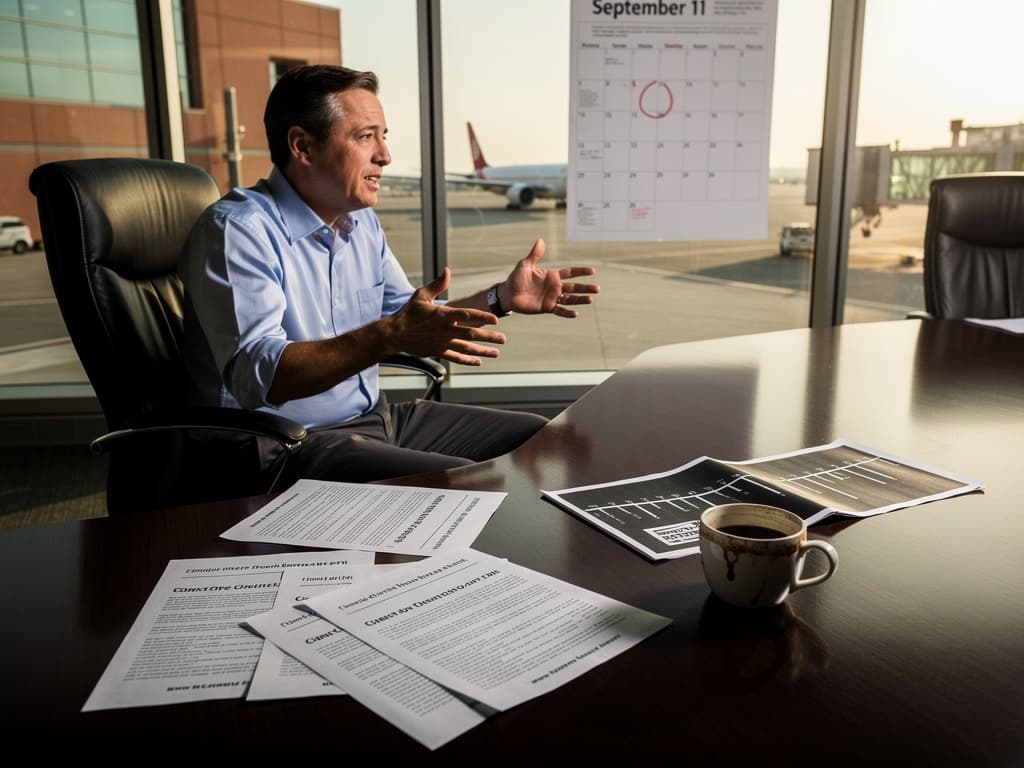
O’Leary’s original remark came during a press event ahead of Ryanair’s annual general meeting. He argued that rising fares at legacy carriers would drive passengers to Ryanair, then labelled those competitors “high-fare rapists.” When reporters asked if the language was appropriate, he replied, “Absolutely.” He repeated the phrase later in the same briefing.
The Dublin Rape Crisis Centre moved first, with chief executive Rachel Morrogh writing to O’Leary to offer free training on sexual violence. Rape Crisis England and Wales and Victim Support followed with statements calling the comparison “shameful,” “appalling,” and “deeply insulting to survivors.” Political figures from both sides of the Irish Sea — including public expenditure minister Jack Chambers and deputy premier Simon Harris — joined the criticism. Even Fórsa, the union representing Ryanair cabin crew, described the comments as “deeply inappropriate.”
O’Leary’s initial refusal to apologise, reported on September 11, set the stage for the eventual reversal. The video apology posted one week later contained no mention of policy changes, but the tone was markedly different from any public statement the CEO had made in years.
| Date | Event | Significance |
|---|---|---|
| Sept 9 | O’Leary uses “high-fare rapists” at Dublin press conference | Immediate media and advocacy backlash |
| Sept 11 | O’Leary refuses to apologise, calls criticism “false and defamatory” | Escalates political and survivor-group condemnation |
| Sept 18 | Video apology posted to YouTube | Reversal after 10 days of pressure; no policy changes announced |
Flight deals most people never see
Our AI monitors 150+ airlines for pricing anomalies that traditional search engines miss. Air Traveler Club members save $650 per trip per person on average: see how it works.
Each deal saves 40–80% vs. regular fares:

What the apology means for Ryanair’s brand
The episode exposes the reputational limits of combative airline marketing when the language crosses into territory that survivor-advocacy groups and ministers cannot ignore. Unlike previous O’Leary stunts — calling customers “stupid” or charging for toilet use — this comparison triggered a response from organisations that operate outside the travel industry’s usual orbit. The UK transport secretary’s remark that women who had been assaulted might not rush to book with Ryanair turned a media controversy into a tangible commercial risk.
Air Traveler Club’s analysis of CEO conduct and brand perception has shown how executive actions ripple through loyalty and trust. For Ryanair, which relies on price-sensitive short-haul travellers who still notice brand behaviour, the stakes are different but no less real. The airline’s next AGM and any investor communications referencing executive conduct will reveal whether this remains a one-off concession or the start of a more guarded communications strategy.
How the controversy reshapes Ryanair’s public posture
The apology does not change ticket pricing, but it does alter the backdrop against which Ryanair operates in its two most important markets. The airline’s communications strategy — built around O’Leary’s persona — now faces scrutiny from regulators and politicians who have shown they will intervene when language crosses a line. No policy change has been announced, but the reversal itself signals that even a famously unapologetic CEO can be forced to retreat when the pressure comes from survivor groups and cabinet ministers rather than rival airlines. Watch for any board-level review of executive media handling in the next quarterly filing; if it appears, the airline is institutionalising the lesson.
FAQ
What exactly did Michael O’Leary say?
He described competitor airlines including British Airways, Lufthansa, and Aer Lingus as “high-fare rapists” during a Dublin press conference ahead of Ryanair’s AGM. When asked if the language was appropriate, he replied “absolutely” and repeated the phrase later in the same briefing.
Why did he apologise after refusing to do so?
O’Leary said that over 10 days of conversations with family, friends, and colleagues, he came to realise the word had caused “wider considerable upset and offence,” especially to victims and survivors. The sustained pressure from rape crisis centres, UK and Irish ministers, and his own cabin crew union made the reversal unavoidable.
Has Ryanair changed any policies as a result?
No policy changes have been announced. The apology video contained no mention of internal communications guidance or training. The next indicator will be whether Ryanair’s board or investor communications reference executive conduct in future filings.
Read more