Summary
A former child pop star is suing Singapore Airlines after a wooden splinter from a chicken satay skewer served in business class allegedly lodged in her throat and permanently scarred her vocal cords. The suit, filed July 24, 2026 in Los Angeles federal court, claims the 1.5‑inch shard caused violent choking and persistent voice loss, directly threatening a livelihood built on singing and public speaking.
The airline has not responded to the allegations, and the legal process is just beginning. The incident occurred on July 28, 2024 during a flight to Los Angeles, where the plaintiff says she was simply “consuming the meal as intended.”
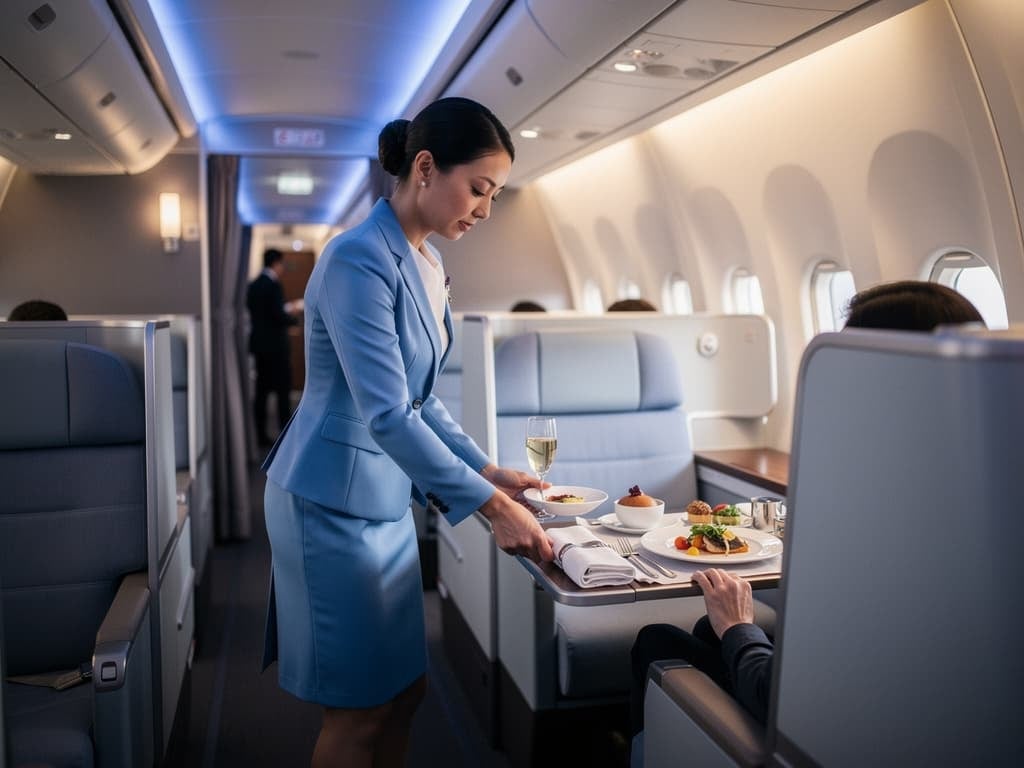
A chicken satay skewer — a staple of Singapore Airlines’ premium cabin service — is at the center of a federal lawsuit that could reshape how airlines handle wooden utensils in long‑haul meals. Briohny Smyth, a 44‑year‑old former platinum‑selling artist in Thailand, alleges that a jagged splinter from the skewer broke away as she ate, became trapped in her throat, and caused violent coughing and choking sensations.
The shard, which she eventually expelled, measured roughly 1.5 inches. But the damage was already done. An otolaryngologist later diagnosed vocal cord scarring and trauma consistent with a sharp‑object injury. For Smyth, whose voice‑intensive career now includes yoga instruction and public speaking, the loss of vocal integrity is a professional catastrophe.
The complaint, filed in Los Angeles federal court on July 24, 2026, seeks damages for medical expenses, lost earnings, emotional distress, and legal fees. It argues Smyth was “not at fault” and was consuming the meal as served. The suit lands as a series of high‑profile food‑related injury claims against airlines are gaining traction, putting inflight catering safety under a brighter spotlight.
Inside the lawsuit and the growing pattern of inflight food injuries
The federal complaint details a sequence of events that began mid‑flight. Smyth, seated in business class, began eating the satay when a splinter broke free. She immediately felt pain, then coughed violently until the sharp fragment was expelled. Despite the ordeal, the vocal damage was not immediately apparent; it was only after weeks of persistent raspiness, tightness, and pain with prolonged speaking that she sought specialist care. The diagnosis — scarring and trauma from a foreign object — confirmed what she suspected.
The case is not isolated. A separate federal lawsuit filed last year by a former Amazing Race contestant alleges she swallowed plastic shards on an American Airlines flight, resulting in vocal cord injury. Other recent claims include a JetBlue passenger who broke a tooth on a “frozen solid” ice cream sandwich, a child who suffered anaphylaxis after a Qatar Airways flight attendant gave her a chocolate bar containing milk, and a doctor with a severe shellfish allergy who was served shrimp on a Singapore Airlines flight — forcing a diversion to Paris.
| Date | Airline | Incident | Outcome |
|---|---|---|---|
| July 28, 2024 | Singapore Airlines | Wooden splinter from chicken satay lodged in throat, vocal cord damage | Lawsuit filed July 24, 2026; pending |
| 2024 | JetBlue | Passenger broke tooth on “frozen solid” ice cream sandwich | Lawsuit filed; seeking damages |
| November 2023 | Qatar Airways | Child with dairy allergy given chocolate bar, anaphylaxis | $5 million lawsuit filed; child hospitalized |
| 2024 | Singapore Airlines | Doctor served shrimp despite shellfish allergy, severe reaction | Flight diverted; lawsuit filed |

Flight deals most people never see
Our AI monitors 150+ airlines for pricing anomalies that traditional search engines miss. Air Traveler Club members save $650 per trip per person on average: see how it works.
Each deal saves 40–80% vs. regular fares:

Why a single skewer could shift premium cabin catering
The Smyth lawsuit is unusual because it targets a signature item of Singapore Airlines’ business‑class experience — the satay service. Wooden skewers are a known physical hazard in food preparation, and the airline’s failure to detect a splinter before plating could be framed as a quality‑control gap. If the complaint survives early motions, expect catering crews to undergo stricter inspection protocols for wooden items, and some carriers may quietly replace hard‑wood skewers with metal or bamboo alternatives that are less prone to splintering.
The case also underscores a broader shift: premium cabin meals are no longer immune from liability claims. As airlines market elevated dining as a differentiator, the legal expectation of safety rises with the fare. A ruling that holds a carrier accountable for a hidden physical hazard in a plated meal could influence how other airlines document and inspect their galley supplies.
What to monitor as the legal case unfolds
The carrier’s first formal response to the Los Angeles federal court is likely within the next month, which will indicate whether the case moves into discovery or settles early. If the court allows the claim to proceed, airlines may quietly begin removing wooden skewers from premium meal services — or at least adding specific inspection steps — long before any regulatory mandate. A ruling in Smyth’s favor, even a partial one, would set a precedent that directly links inflight meal presentation to carrier liability for physical harm.
FAQ
What exactly happened on the flight?
On July 28, 2024, during a Singapore Airlines flight to Los Angeles, plaintiff Briohny Smyth ate a chicken satay skewer served in business class. A wooden splinter broke off and lodged in her throat, causing immediate pain, violent coughing, and choking sensations. She later expelled a shard approximately 1.5 inches long. Post‑flight medical exams diagnosed vocal cord scarring and trauma consistent with a sharp‑object injury.
What is the plaintiff seeking in the lawsuit?
The federal complaint, filed July 24, 2026, seeks damages for past and future medical expenses, lost earning capacity, emotional distress, and legal fees. Smyth, whose career depends on her voice, alleges the injury has permanently harmed her ability to perform and teach.
How could this affect future inflight meals?
If the claim survives early legal motions, airlines may preemptively adjust catering protocols. Wooden skewers could be replaced with less splinter‑prone materials, or quality‑control checks may be tightened. A ruling against the carrier would establish a clearer duty of care for physical hazards in plated meals, potentially influencing galley procedures industry‑wide.
Has Singapore Airlines responded?
As of the filing date, the airline has not issued a public statement or filed a formal response in court. A reply is expected within weeks of the complaint being served, which will indicate whether the airline contests the allegations or seeks a settlement.
Read more