Summary
A Karnataka court ordered criminal proceedings against KLM Royal Dutch Airlines executives on April 12, 2026, after the carrier denied boarding to an eight-member Indian family holding $52,000 in business class tickets to Peru. The family possessed valid U.S., U.K., Australia, and Schengen visas but failed KLM’s interpretation of Peru’s six-month validity requirement—a rule the airline enforced at Bengaluru’s gate despite the passengers’ claims of exemption eligibility.
The court directive follows a two-year legal battle and marks the first criminal case against airline executives for visa-related denied boarding in India. Premium travelers booking non-refundable business class to South America from Indian origins now face immediate documentation verification requirements.
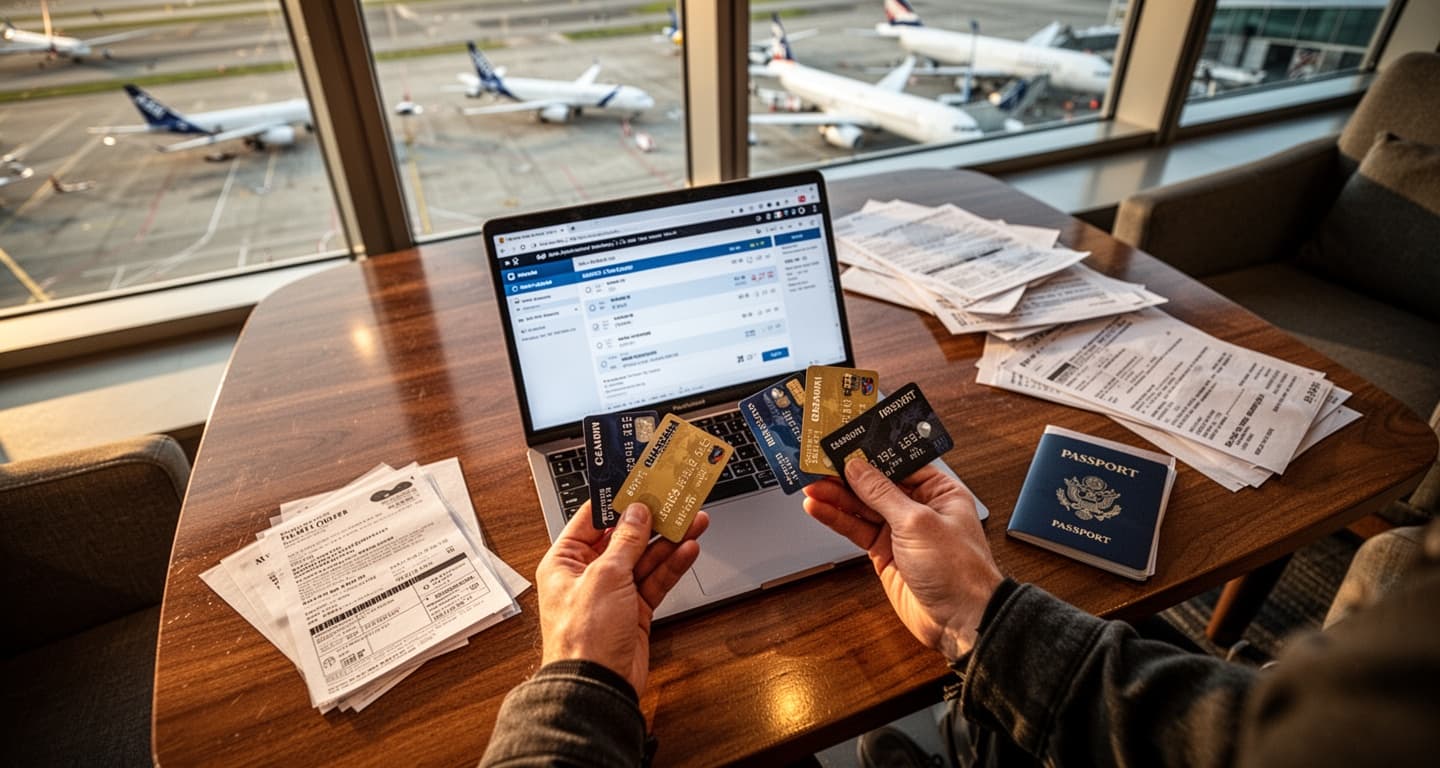
J.S. Sathishkumar arrived at Kempegowda International Airport on June 19, 2024, leading seven family members for what should have been a straightforward departure to Lima. The chairman of a Salem medical institution had invested ₹4.9 million in KLM World Business Class roundtrip tickets—roughly $6,500 per person—for a two-week Peruvian holiday departing that evening with a July 3 return.
Gate agents stopped the group minutes before boarding.
Despite holding what the family believed were qualifying visas for Peru’s exemption program—valid permits from the United States, United Kingdom, Australia, and Schengen nations—KLM staff determined their documentation failed to meet entry requirements. Hours of discussion at the gate changed nothing. The airline maintained its position, and the family watched their flight depart without them.
The incident exposes a critical vulnerability in premium travel: business class fares offer lie-flat seats and priority boarding, but they provide zero protection against visa interpretation disputes at the gate. KLM’s enforcement of Peru’s six-month validity rule—requiring existing visas to have at least half a year remaining—contradicted the family’s understanding of exemption eligibility. The carrier’s decision cost the group their entire investment in non-refundable tickets, plus the planned vacation.
The court intervention and airline liability
Sathishkumar pursued legal action immediately after the denied boarding. On April 12, 2026—nearly two years after the incident—a Karnataka court directed police to file a First Information Report against KLM’s chief executive officer and chief operating officer. The family alleges the airline failed to provide accurate visa guidance during booking and subsequently red-flagged them in its systems, complicating future travel attempts.
KLM maintains it followed standard protocols. Airlines face fines exceeding €5,000 per passenger when transporting travelers without proper documentation, creating powerful incentives to err on the side of denial. The carrier argues passengers bear sole responsibility for verifying entry requirements—a position that holds legal weight but offers little comfort to families losing five-figure investments.
The criminal case represents unprecedented territory. While civil disputes over denied boarding occur regularly, criminal proceedings against airline executives for visa enforcement decisions are virtually unknown in Indian aviation law. The court’s willingness to pursue charges suggests growing judicial skepticism of carriers using regulatory compliance as blanket protection against passenger claims.
| Carrier | Route | Visa requirement | Validity needed |
|---|---|---|---|
| KLM | BLR-AMS-LIM | US/UK/CA/AU/Schengen visa | 6 months minimum |
| Air France | BLR-CDG-LIM | US/UK/CA/AU/Schengen visa | 6 months minimum |
| Delta Air Lines | BLR-ATL-LIM | US visa (any validity) | Valid on travel date |
| LATAM Airlines | Direct to LIM (limited) | Peru visa or exemption | 6 months minimum |

Flight deals most people never see
Our AI monitors 150+ airlines for pricing anomalies that traditional search engines miss. Air Traveler Club members save $650 per trip per person on average: see how it works.
Each deal saves 40–80% vs. regular fares:

The premium cabin paradox
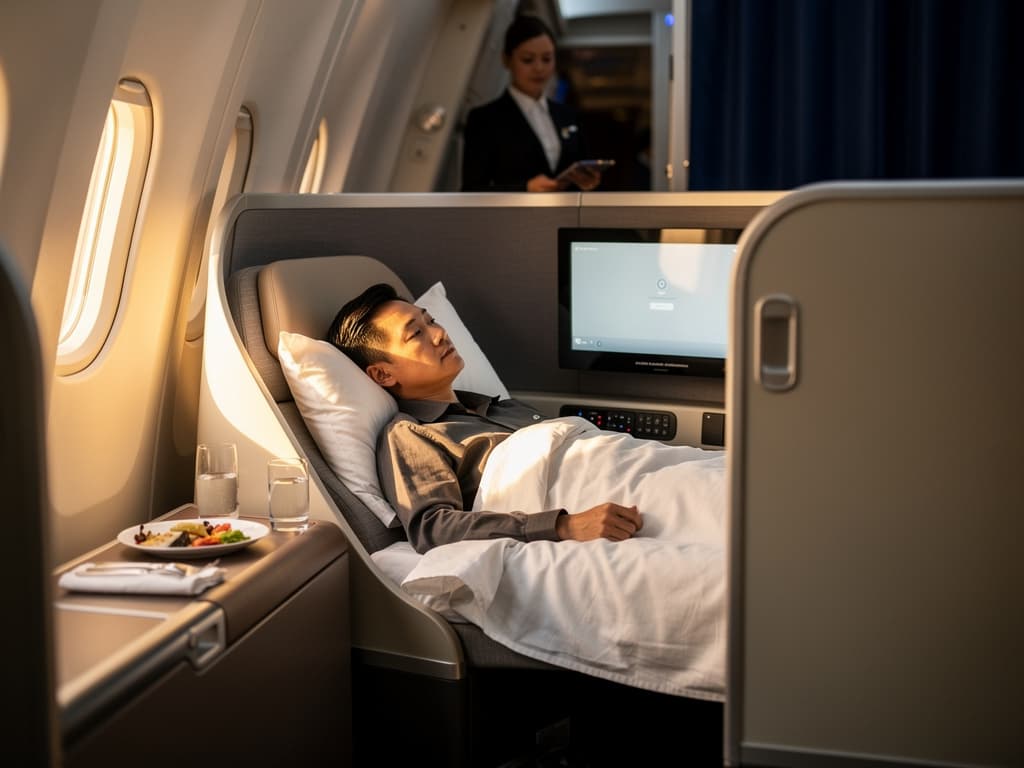
KLM’s World Business Class on the Boeing 777 and 787 offers fully flat reverse herringbone seats in 1-2-1 configuration—a mid-tier premium product compared to Qatar Airways Qsuite or Emirates A380 suites. The Bengaluru-Amsterdam-Lima routing via Schiphol positions as the primary option for Indian travelers heading to Peru, with business class pricing around $6,500 one-way—roughly 10-15% above Air France on comparable South America routes.
That premium bought the Sathishkumar family priority check-in, lounge access, and lie-flat beds. It provided zero leverage when visa interpretation became disputed. The Air Traveler Club’s business class booking framework emphasizes documentation verification as the critical first step—premium cabin access means nothing if you can’t board.
The incident mirrors a 2019 case where an Indian family lost approximately $30,000 on Etihad Airways business class to Brazil over similar Schengen visa interpretation disputes. That case settled privately after 18 months. The pattern reveals a structural issue: carriers prioritize avoiding regulatory fines over accommodating passenger exemption claims, regardless of fare class paid.
Strategic guidance for premium bookings
The six-month validity requirement creates a hidden expiration date for premium tickets—your visa’s remaining validity matters more than your departure date.
- Verify documentation 72 hours before departure: Use official embassy websites, not airline customer service, to confirm current entry requirements. Peru’s exemption rules for Indian passport holders require valid U.S., U.K., Canada, Australia, or Schengen visas with minimum six months remaining validity—check your visa expiration date, not just whether you hold one.
- Book refundable business class for complex visa situations: The $52,000 loss stemmed from non-refundable fares. Refundable business class costs 20-30% more but provides full protection if documentation issues emerge. For South America from India, the premium is worth it.
- Consider alternative routings through U.S. hubs: Delta Air Lines via Atlanta enforces U.S. visa validity only—no six-month requirement—providing simpler documentation paths for Indian travelers with American visas. Business class pricing runs $7,200 one-way but eliminates European transit visa complications.
- Document all airline communications: Screenshot booking confirmations, save email correspondence about visa requirements, and photograph check-in interactions. The Sathishkumar family’s legal case depends on proving inadequate guidance during purchase—digital evidence becomes critical for any future claims.
- Purchase comprehensive travel insurance with visa denial coverage: Standard policies exclude documentation issues, but specialized aviation insurance covers denied boarding due to visa disputes. Premiums run 3-5% of ticket cost—roughly $300-400 for a $6,500 business class fare—but provide full reimbursement if carrier enforcement is later proven incorrect.
Watch for the Karnataka police investigation outcome by Q3 2026. If executives face formal charges, expect KLM and other European carriers to implement mandatory pre-flight document verification calls for all India-origin South America bookings—reducing denial risks but adding 48-hour advance check-in requirements.
FAQ
Can airlines legally deny boarding over visa disputes even with valid business class tickets?
Yes. Airlines bear financial liability for transporting passengers without proper documentation—fines exceed €5,000 per person under international aviation regulations. Carriers have legal authority to make final boarding decisions based on their interpretation of destination entry requirements, regardless of fare class paid. Premium tickets guarantee cabin access only if documentation clears gate checks.
What recourse do passengers have after denied boarding due to visa interpretation?
EU Regulation 261/2004 provides compensation up to €600 per passenger if the airline’s decision is proven incorrect, but this requires demonstrating the carrier misinterpreted entry rules. File claims through the airline’s customer relations department within seven days, escalate to national aviation authorities if denied, and consider legal action for non-refundable fare recovery. The Sathishkumar case shows courts may support passengers, but outcomes take years.
How do Peru’s visa exemptions actually work for Indian passport holders?
Peru grants visa-free entry to Indian citizens holding valid visas or residence permits from the United States, United Kingdom, Canada, Australia, or Schengen nations—but those documents must have minimum six months remaining validity from the date of entry into Peru. A U.S. visa expiring in four months fails the requirement even though it’s technically valid. Verify your visa expiration date, not just whether you possess one.
Should travelers rely on airline staff for visa guidance during booking?
No. Airline customer service representatives access the same IATA Timatic database available to passengers but lack training to interpret complex exemption rules. Always verify entry requirements directly through destination country embassy websites or consult professional visa services for multi-leg international trips. Airlines explicitly disclaim responsibility for visa guidance in their terms of carriage.
Read more