Summary
A Delta Air Lines agent quoted a traveler $440,000 to upgrade from Premium Select to Delta One business class on the Sydney to Los Angeles route — a figure later clarified as 440,000 SkyMiles after the passenger asked if the price was in U.S. dollars. The incident, shared via Reddit chat screenshot, exposes SkyMiles program pricing that makes upgrades on flagship Pacific routes financially uncompetitive even after correcting for the agent’s currency error.
The 14-hour SYD-LAX sector operates with Delta One suites on select widebody aircraft, but the mileage cost rivals outright business class awards on competing programs. For travelers holding Global Upgrade Certificates or considering mileage upgrades, the math favors booking partner awards or paying cash fares outright.
When a traveler messaged Delta Air Lines seeking to use a Global Upgrade Certificate on his Sydney to Los Angeles flight, the response stopped him cold: $440,000 for the upgrade to Delta One business class.
“Is that American Dollars?” he replied.
The exchange — captured in a chat screenshot and shared publicly — turned out to be a typo. The agent meant 440,000 SkyMiles, not currency. But even after the clarification, the figure reveals structural problems with Delta SkyMiles upgrade pricing on premium Pacific routes where the airline positions itself as the flagship U.S. carrier.
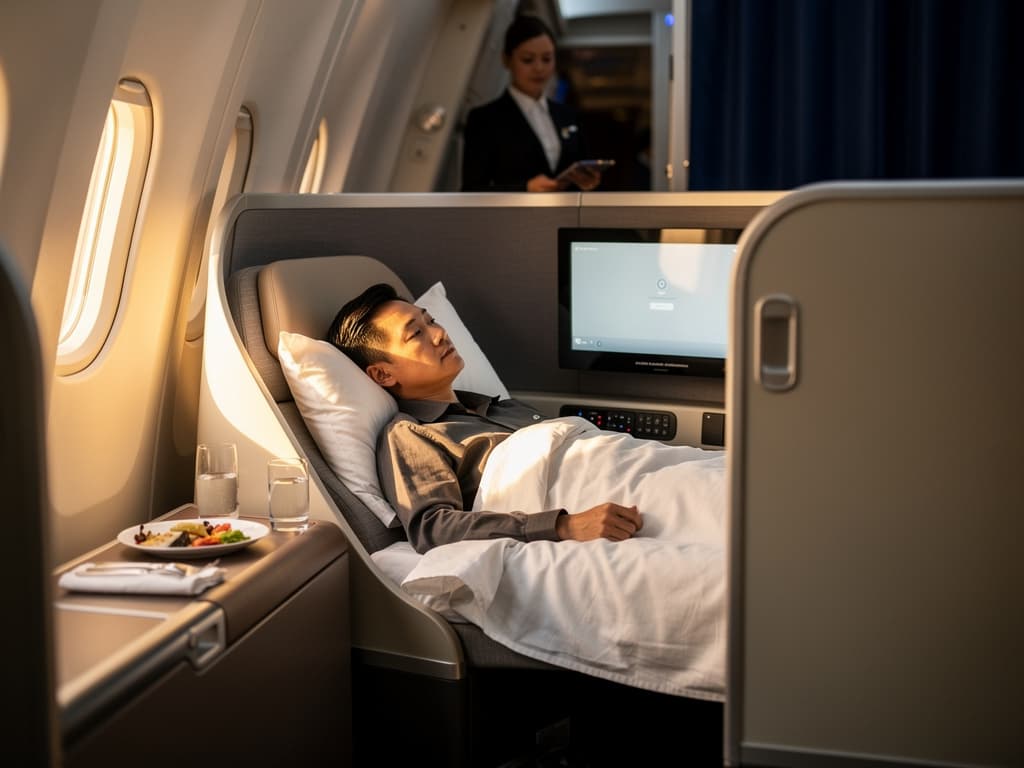
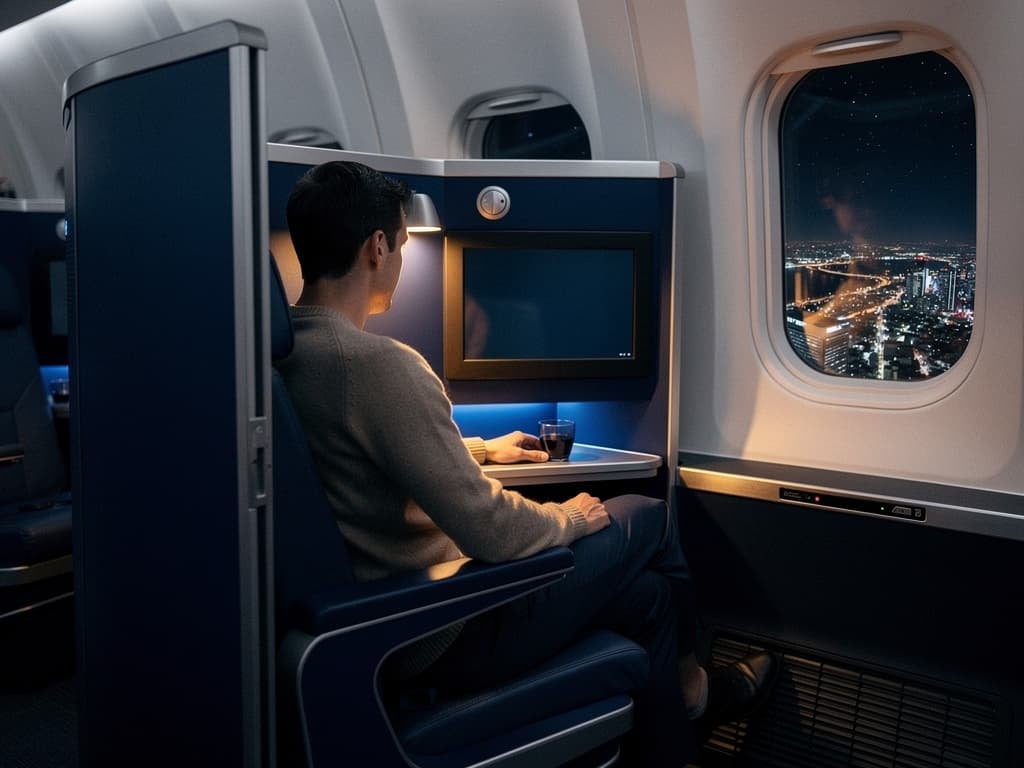
The incident affects anyone holding elite status or upgrade certificates on Delta’s transpacific network. With Delta One suites now standard on the SYD-LAX A350 rotation, the hardware delivers — but the mileage math doesn’t. Travelers face a choice: absorb inflated upgrade costs, book partner awards at half the miles, or pay cash fares that increasingly offer better value than loyalty currency.
The upgrade pricing breakdown
The 440,000 SkyMiles figure sits at the extreme end of Delta’s dynamic upgrade pricing, which adjusts based on fare class, route demand, and inventory. For context, outright Delta One awards on SYD-LAX typically cost 100,000 to 150,000 miles one-way when booked as standalone tickets — making the upgrade from Premium Select more expensive than buying the business class seat outright.
The traveler had already applied a Regional Upgrade Certificate to his LAX-JFK domestic connection in Premium Select. Global Upgrade Certificates, available to Delta’s Diamond and Platinum Medallion members, theoretically unlock complimentary upgrades on international routes — but inventory restrictions and dynamic pricing often push certificate holders toward paid mileage upgrades instead. On the SYD-LAX route, where Delta One suites feature closing doors and direct aisle access, demand consistently outstrips certificate availability.
The agent’s currency confusion underscores a broader communication gap. Delta agents work from systems displaying mileage costs without currency symbols, and international routes with six-figure upgrade prices create ambiguity when discussing figures verbally or via chat. The passenger’s question — whether the price was in U.S. dollars — wasn’t unreasonable given the scale.
| Airline | Upgrade method | Approximate cost | Availability pattern |
|---|---|---|---|
| Delta Air Lines | SkyMiles upgrade | 440,000 miles (dynamic) | Tight year-round |
| Qantas | Points upgrade | 120,000–180,000 points | Moderate, peak scarce |
| United Airlines | PlusPoints upgrade | 80–120 PlusPoints | Consistent on 787 |
| American Airlines | AAdvantage miles | 25,000–50,000 miles | Limited partner space |

Flight deals most people never see
Our AI monitors 150+ airlines for pricing anomalies that traditional search engines miss. Air Traveler Club members save $650 per trip per person on average: see how it works.
Each deal saves 40–80% vs. regular fares:

Why the pricing matters for award strategy
The 440,000 SkyMiles quote isn’t an isolated glitch — it reflects Delta’s systematic shift toward revenue-based pricing that extracts maximum value from elite members on premium routes. Air Traveler Club’s mixed-cabin booking framework demonstrates how searching long-haul segments independently (LAX-SYD) and manually adding domestic connections (PHX-LAX in economy) can unlock business class space when automated tools show no availability — a workaround increasingly necessary as Delta tightens upgrade inventory.
For travelers holding Global Upgrade Certificates, the math has shifted. Certificates work best on routes with consistent upgrade space — typically domestic transcons or select European routes. On Pacific routes like SYD-LAX, where Delta One suites command premium pricing, certificates rarely clear. The alternative: book partner awards through Virgin Atlantic at 50,000 to 60,000 miles one-way, or use Air France-KLM Flying Blue for similar rates.
The competitive landscape favors diversification. Qantas operates the SYD-LAX route with A380 business class at more reasonable upgrade costs. United’s Polaris offers larger fleet consistency and better partner redemption options through MileagePlus. American’s partnership network provides access to Qantas space at 80,000 AAdvantage miles — half the cost of Delta’s upgrade pricing.
Strategic guidance for Pacific route bookings
The SYD-LAX upgrade incident clarifies the priority sequence: partner awards beat Delta upgrades on cost, and cash fares increasingly beat both when factoring elite qualifying dollars.
- Search partner programs first: Virgin Atlantic Flying Club and Air France-KLM Flying Blue offer Delta One space at 50,000 to 75,000 miles one-way — check availability 330 days out when space releases.
- Skip upgrade requests on Pacific routes: Global Upgrade Certificates clear inconsistently on SYD-LAX, and mileage upgrades cost more than outright awards — save certificates for domestic or European sectors with better inventory.
- Compare cash fare value: Delta One fares run $5,000 to $8,000 one-way, delivering Medallion Qualifying Dollars that upgrades don’t — calculate whether elite status progression justifies paying cash versus burning miles.
- Use mixed-cabin construction: Book the transpacific segment in business class and add domestic connections in economy to unlock space when automated searches fail — call the airline to manually construct the itinerary.
- Monitor partner devaluations: Virgin Atlantic and Flying Blue adjust award charts periodically — lock in current rates before Q4 2026 program changes potentially raise costs.
Watch for Delta’s Q4 2026 SkyMiles program updates. If Pacific upgrade costs rise further, it confirms the shift toward revenue focus and signals the end of competitive mileage redemptions on flagship routes.
FAQ
Can I use Global Upgrade Certificates on Delta’s Sydney to Los Angeles route?
Global Upgrade Certificates theoretically work on SYD-LAX for Diamond and Platinum Medallion members, but inventory is severely restricted and clearance rates are low. The route operates with Delta One suites that command premium pricing, making certificate upgrades rare. Most certificate holders find better success on domestic transcons or European routes with more consistent upgrade space.
What’s the best way to book Delta One to Sydney using miles?
Skip Delta SkyMiles for this route. Virgin Atlantic Flying Club charges 50,000 to 60,000 miles one-way for the same Delta One seat, and Air France-KLM Flying Blue runs around 75,000 miles. Both programs access the same award inventory but at half the cost of Delta’s dynamic pricing. Transfer points from Amex, Chase, or Citi at 1:1 ratios and search 330 days before departure.
How does Delta’s upgrade pricing compare to United and American on Pacific routes?
United’s PlusPoints system costs 80 to 120 points for Polaris upgrades on similar routes, with more consistent availability on 787 aircraft. American charges 25,000 to 50,000 AAdvantage miles for upgrades, though space is limited. Delta’s 440,000-mile quote — even as an extreme case — reflects dynamic pricing that regularly exceeds competitors by 2x to 4x on premium Pacific routes.
Read more