Summary
Air Canada Vacations applies a $50 per passenger fuel surcharge on new bookings with flight portions to SUN destinations effective April 6, 2026, while WestJet adds $60 on companion voucher bookings starting April 8. Porter Airlines introduced a $40 peak surcharge for VIPorter bookings on March 23, with international routes reaching $100 both ways, as Iran’s closure of the Strait of Hormuz drives oil market volatility affecting roughly one-fifth of global oil supply.
Premium cabin travelers booking summer international routes face compounded costs from reduced capacity and peak demand. Waiting for prices to fall carries significant risk as inventory tightens.
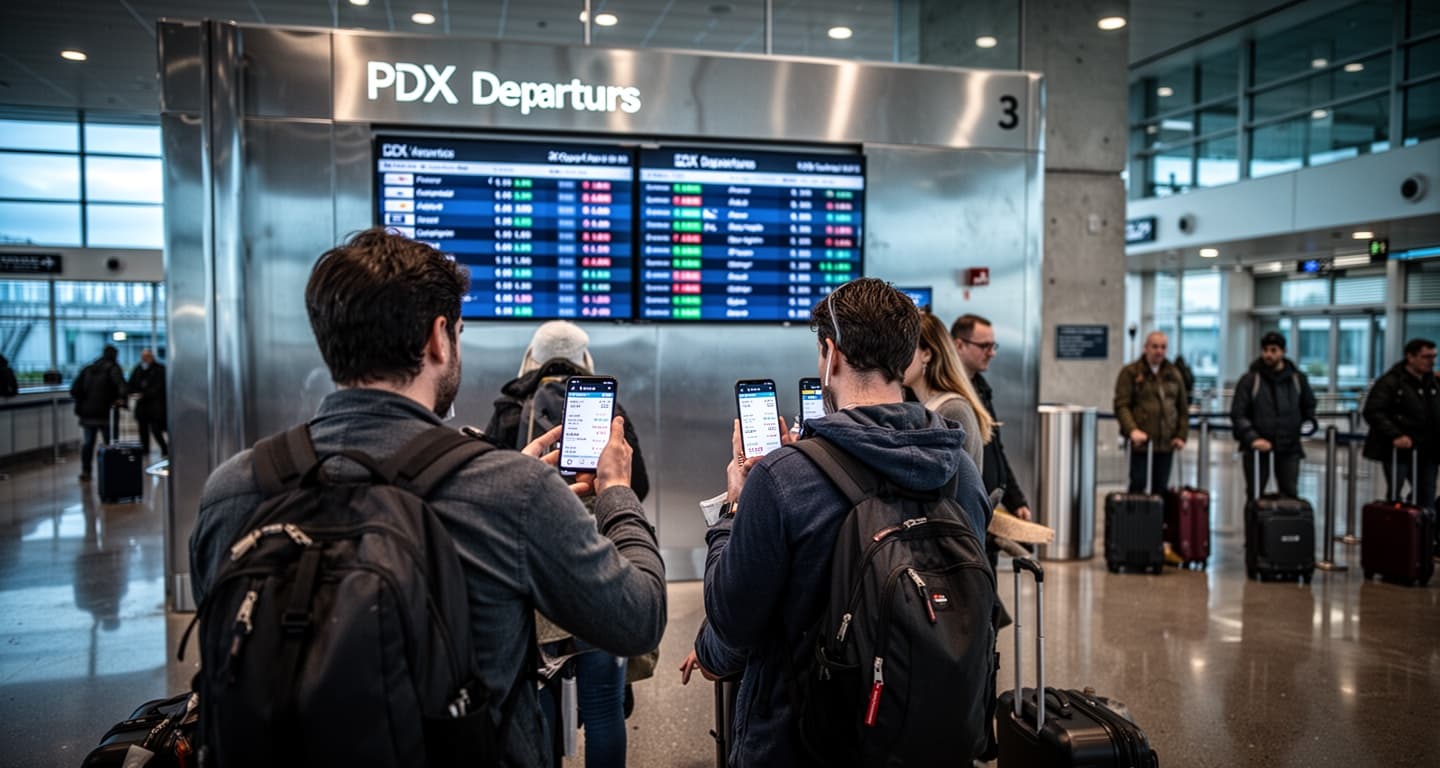
Canadian carriers are passing fuel costs directly to passengers through fixed surcharges that take effect this week, creating an immediate decision point for anyone planning summer travel. The fees arrive as Iran’s Strait of Hormuz closure disrupts global oil flows, pushing jet fuel prices higher and forcing airlines to offset operational costs through ticket add-ons.
The surcharges hit hardest on long-haul premium cabins where fuel burn is highest.
Air Canada’s Signature Class vacation packages to Caribbean and Mexican destinations now carry the $50 surcharge, while WestJet’s $60 fee applies to premium companion voucher redemptions. Porter’s VIPorter members face $40 domestic surcharges and up to $100 on international routes. Air Transat announced increased fuel surcharges for European flights last month, though specific amounts remain undisclosed.
The timing compounds existing pressure on summer inventory. Reduced capacity on transatlantic routes due to Middle East conflict avoidance means fewer premium seats available precisely when demand peaks. Business class travelers booking Europe departures from Toronto or Montreal face both surcharges and inventory constraints that didn’t exist during the 2025 booking cycle.
The surcharge mechanics and route impact
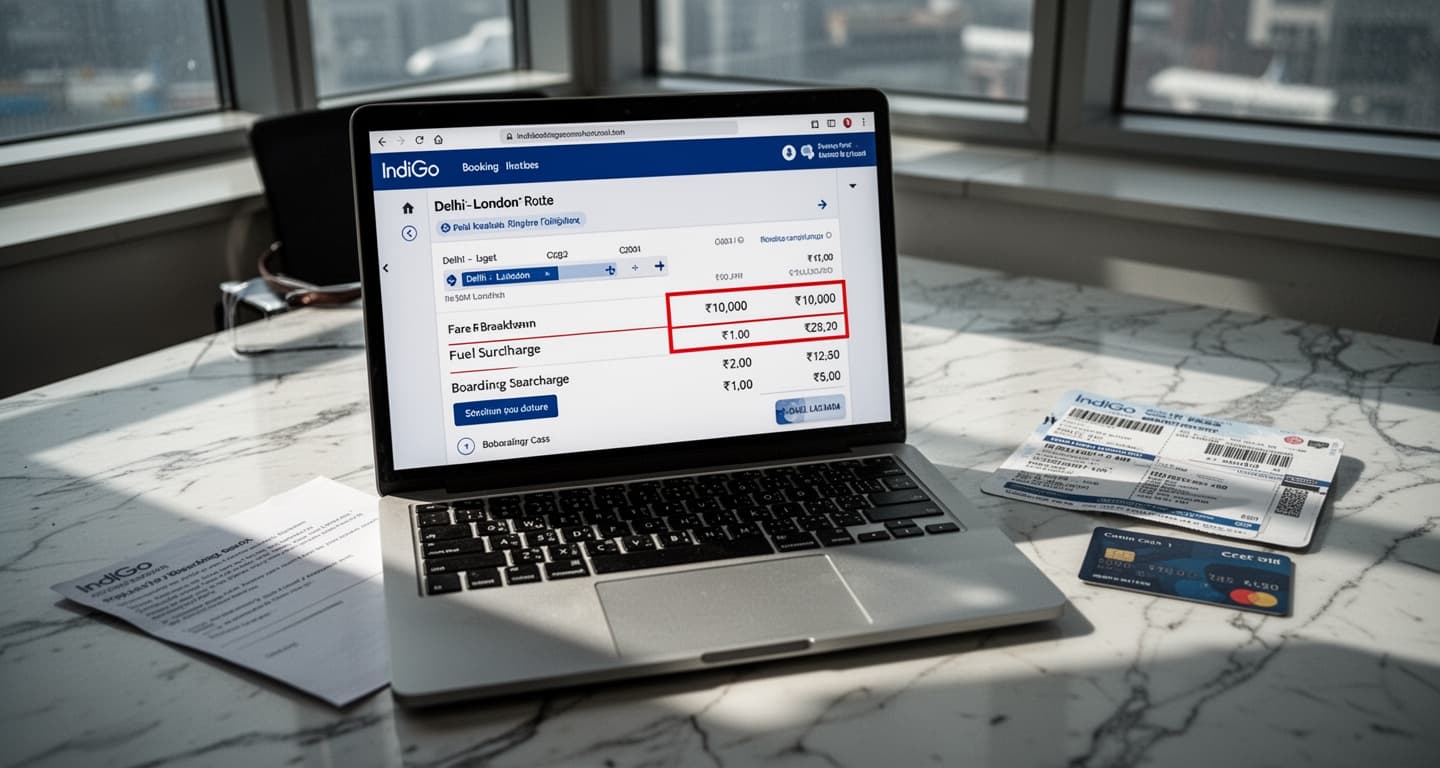
Fuel surcharges function as temporary add-ons applied at checkout, distinct from base fares. They appear as line items on invoices and affect cash bookings immediately. Air Canada’s $50 fee applies per passenger on vacation packages including flights, meaning a family of four pays an additional $200 on top of the package price.
The fees scale with distance and cabin class due to fuel consumption patterns. Long-haul business class seats require significantly more jet fuel per passenger than economy, making premium transatlantic and transpacific routes the most affected. A Toronto-to-London business class ticket already priced at $4,500 roundtrip absorbs the surcharge as a smaller percentage increase than a $900 economy fare, but the absolute cost compounds with higher base pricing.
Historical precedent from 2022’s Russia-Ukraine conflict shows fuel surcharges typically last 3-6 months before stabilizing. Premium transatlantic fares rose 20-30% during that period, with prices normalizing after supply chains adjusted. Travelers who booked early avoided peak increases, while those who waited paid premiums through fall.
| Airline | Surcharge amount | Applies to | Effective date |
|---|---|---|---|
| Air Canada Vacations | $50 per passenger | New bookings with flights to SUN destinations | April 6, 2026 |
| WestJet | $60 per booking | Companion voucher redemptions | April 8, 2026 |
| Porter Airlines | $40-$100 per direction | VIPorter bookings (domestic $40, international up to $100) | March 23, 2026 |
| Air Transat | Amount undisclosed | European routes | March 2026 |

Flight deals most people never see
Our AI monitors 150+ airlines for pricing anomalies that traditional search engines miss. Air Traveler Club members save $650 per trip per person on average: see how it works.
Each deal saves 40–80% vs. regular fares:

The points versus cash calculation
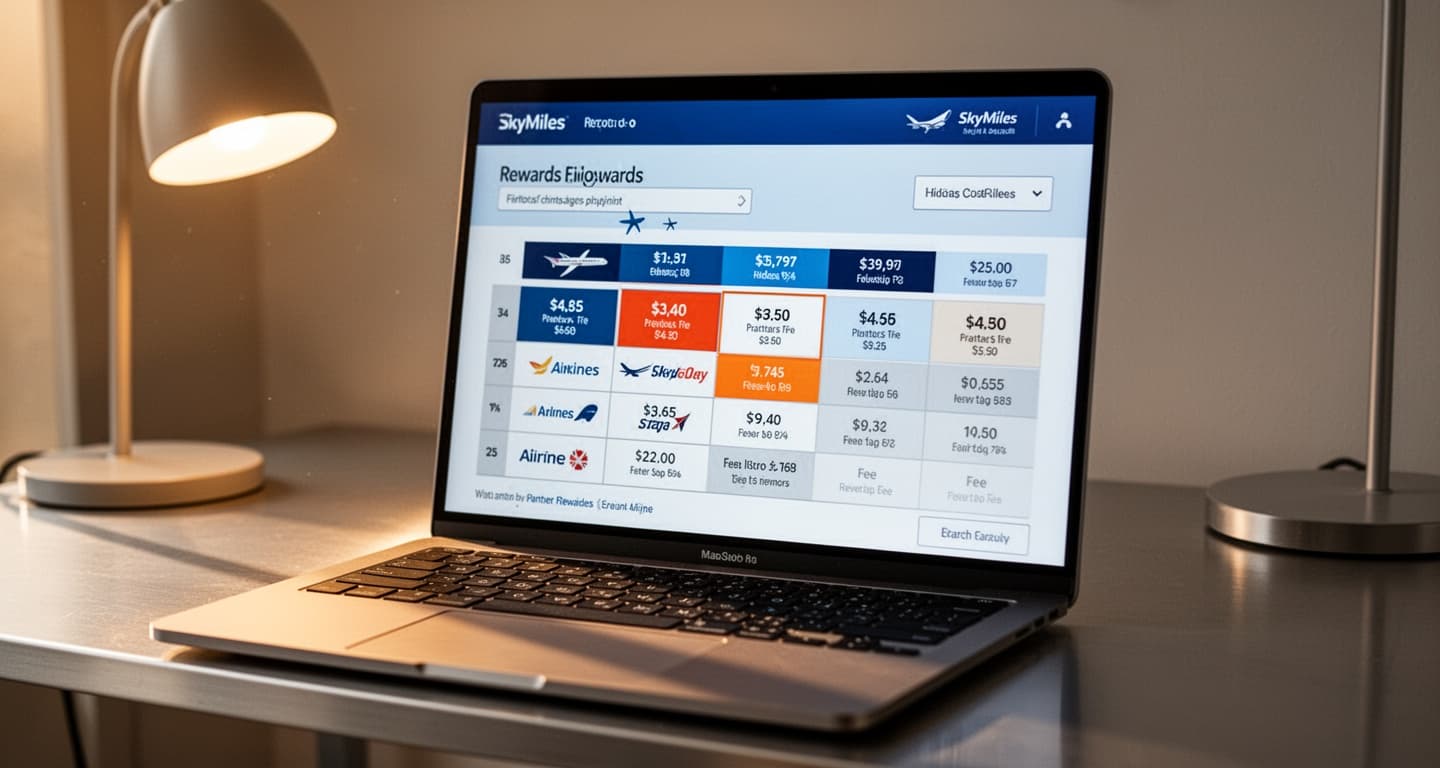
Loyalty program redemptions offer a hedge against fuel surcharges, though the advantage varies by program structure. Aeroplan awards exclude fuel surcharges entirely—members pay only taxes and airport fees when booking with points. A business class redemption from Toronto to Paris costs 70,000 points plus approximately $200 in taxes, regardless of current fuel pricing.
This creates a significant value gap during surcharge periods. The same cash ticket might cost $4,500 plus the $50 surcharge, while the points redemption remains fixed. For travelers with flexible point balances, this represents optimal redemption timing—the cash equivalent value of points increases when surcharges inflate ticket prices.
WestJet’s companion voucher surcharge presents a different calculation. The $60 fee applies to the companion ticket, which typically books at a reduced rate. Members must weigh whether the voucher discount still exceeds the surcharge cost—on short-haul domestic routes, the math may no longer favor voucher use.
Premium cabin travelers holding elite status with multiple programs should compare redemption costs across alliances. Star Alliance partners like United and Lufthansa may offer better award availability on transatlantic routes than Air Canada during peak summer, though fuel surcharges on European carrier awards can exceed $400 per ticket.
Strategic booking guidance for premium travelers
The surcharges take effect within days, creating a narrow window to lock current pricing before additional increases compound through summer demand.
- Book international business class immediately if travel dates are confirmed—waiting for potential price decreases carries higher risk than booking now, particularly for June through August departures where inventory is already constrained.
- Prioritize points redemptions over cash for long-haul premium cabins where Aeroplan or other programs exclude fuel surcharges, maximizing value during the surcharge period.
- Consider positioning flights to U.S. gateways where carriers like Delta and United haven’t yet implemented fixed surcharges, though dynamic pricing may absorb fuel costs through higher base fares.
- Target shoulder season dates in late August or early September where demand softens and fares typically drop 15-20% below peak summer, even with surcharges applied.
- Monitor award space daily for premium cabins on preferred routes, as airlines release inventory sporadically and business class seats book quickly during high-demand periods.
Watch for Strait of Hormuz developments through Q3 2026—resolution could trigger surcharge removal within weeks, though persistence means 10-20% business class fare increases extending into fall.
FAQ
Do fuel surcharges apply to existing bookings made before April 6?
No. Fuel surcharges apply only to new bookings made on or after the effective dates—April 6 for Air Canada Vacations, April 8 for WestJet companion vouchers, and March 23 for Porter VIPorter bookings. Tickets purchased before these dates are honored at the original price without surcharge add-ons.
Can I avoid surcharges by booking through third-party sites?
No. Fuel surcharges are applied at the airline level and appear regardless of booking channel—whether through airline websites, online travel agencies, or travel agents. The surcharge is a component of the total ticket price set by the carrier.
Will Aeroplan points bookings include the fuel surcharge?
No. Aeroplan award tickets exclude fuel surcharges entirely. Members pay only the points required for the redemption plus mandatory taxes and airport fees, which typically range from $150-$300 on international routes depending on destination. This makes points redemptions particularly valuable during surcharge periods.
How long do fuel surcharges typically remain in effect?
Historical patterns from previous oil price spikes suggest fuel surcharges last 3-6 months before airlines remove them or absorb costs into base fares. The 2022 Russia-Ukraine conflict saw surcharges persist for approximately four months before stabilizing, though resolution timing depends on underlying fuel market conditions.
Read more